


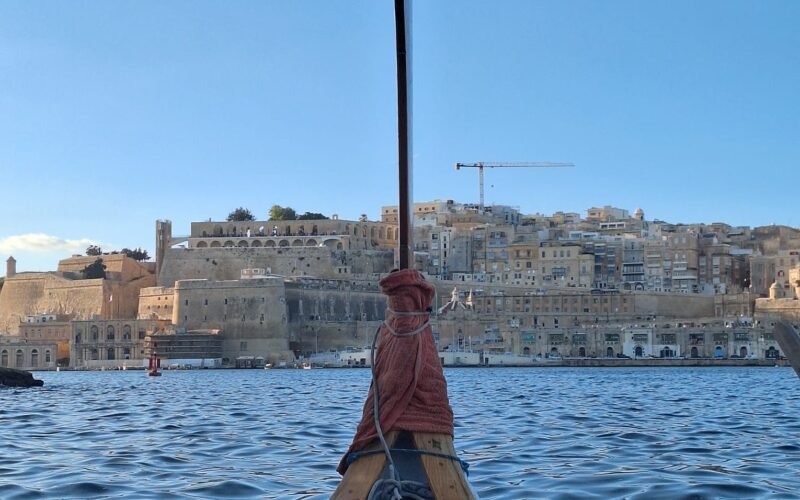
Property taxes in Malta stand out from many European countries, as there is no annual tax on property ownership. Unlike systems such as France’s taxe foncière, Italy’s IMU, or Denmark’s ejendomsskat, owning property in Malta does not trigger recurring taxation. Indeed, taxation arises primarily at the point of transfer, whether through sale, donation, or inheritance.
This makes Malta’s system relatively straightforward, but it also means that understanding transaction-based taxes is essential.
How Property Tax Works in Malta
Malta operates a straightforward and investor-friendly system when it comes to property taxation. Unlike many other countries, there is no annual tax simply for owning property. Instead, taxation is triggered at the point of transfer. In practical terms, this means that tax becomes relevant only when a property changes hands, whether through a sale, donation, or inheritance. The system is based on a final withholding tax, which is applied to the transfer value of the property rather than the profit made. This approach simplifies compliance significantly, as the tax is typically settled at the notarial stage and, in most cases, represents the final liability with no further income tax due on the transaction.
Taxes When Selling Property
In Malta, selling property is subject to a final withholding tax, which is a flat tax based on the property’s value at the time of transfer. Here are the main rates and exemptions:
| Scenario | Tax Rate | Notes |
|---|---|---|
| Standard property sale | 8% | Applies in most cases |
| Property acquired before 1 Jan 2004 | 10% | Higher rate due to older acquisition |
| Property sold within 5 years (non-development) | 5% | Subject to conditions |
| Sole residence sold within 3 years | 2% | Very specific and limited cases |
| Sole residence (owned & occupied 3+ years) | 0% | Full exemption |
Important Clarifications
Although the system is designed to be simple, there are several practical points worth noting. The tax is calculated on the transfer value of the property, which is generally the higher of the declared price or the market value. It is collected and settled by the notary at the time of transfer, meaning the seller does not typically need to handle separate filings for that transaction. Most importantly, the tax is considered final, so once paid, no additional income tax is due on the same transfer. However, eligibility for reduced rates or exemptions depends on strict conditions, particularly in relation to timing, usage of the property, and whether it qualifies as a sole residence.
Taxes When Buying or Inheriting Property: Duty on Documents and Transfers
When you buy or inherit property in Malta, you’ll need to pay duty on documents and transfers, commonly known as stamp duty. The standard rate is 5% of the property’s value, but there are several exceptions and reduced rates:
- First-Time Buyers: Reduced duty on the first €200,000 of the property value.
- Sole Residences: Reduced rates for individuals buying their primary home.
- Donations to Descendants: Lower rates for property transferred within families.
- Gozo Properties: Reduced rates for purchases in Gozo.
- Exemptions: Transfers between spouses are exempt from duty in certain circumstances.
Recent Tax Benefits and Exemptions
To encourage property transactions and the restoration of traditional Maltese properties, recent amendments introduced several incentives:
- First €750,000 Exemptions: Properties meeting certain conditions (e.g., vacant properties, Urban Conservation Areas, or developed using traditional Maltese features) may qualify for tax relief on the first €750,000 of their value.
- Sustainability Incentives: Properties restored or developed according to specific criteria can benefit from exemptions.
However, these benefits don’t apply to:
- Transfers to individuals requiring permits under the Immovable Property (Acquisition by Non-Residents) Act.
- Properties located in Specially Designated Areas (which have separate rules).
Start Your Free Assessment
Complete our short questionnaire and our expert team will get in touch. A 15-minute consultation is included at no cost.
Common Reductions and Exemptions
Beyond the more recent incentive schemes, Malta’s property tax framework includes a number of standard reliefs that may apply depending on the nature of the transaction. First-time buyers can benefit from reduced or exempt stamp duty on a portion of the purchase value, while those acquiring a primary residence may also access favourable rates under ongoing schemes. In addition, certain transfers within families, particularly between spouses or to direct descendants, may qualify for reduced duty or exemptions, depending on the structure of the transfer. These reliefs form part of the broader system and are applied alongside any specific incentives in force at the time, making it important to assess each transaction holistically.
Key Takeaways
Malta’s property tax system is built around simplicity and efficiency. There is no annual tax on ownership, and taxation is primarily applied at the point of transfer. Sellers are generally subject to a final withholding tax, most commonly at 8%, while buyers typically incur stamp duty at 5%, subject to various exemptions and reductions. The availability of schemes and incentives means that the actual tax burden can vary significantly depending on the circumstances, making it essential to understand the applicable rules before proceeding with any transaction.
Final Note
Malta’s approach to property taxation makes it particularly attractive for long-term ownership, as ongoing holding costs are minimal compared to many other European jurisdictions. However, the structure places greater importance on getting the transaction right from the outset. Careful planning, especially when it comes to eligibility for reduced rates or exemptions, can make a substantial difference to the overall cost.
Disclaimer
This article is intended for general informational purposes only and does not constitute legal or tax advice. Property tax rules, exemptions, and thresholds in Malta may change over time and can vary depending on individual circumstances. Each transaction is assessed on its own facts, and eligibility for specific schemes or reduced rates is subject to strict conditions. Professional advice should always be sought prior to entering into any property transaction in Malta.
We work closely with certified tax advisors, and for personalised guidance, you may get in touch by scheduling a consultation with our team.
GET IN TOUCH
Schedule a Consultation
Follow us across our social media channels and stay informed





 English
  Danish
  French
  German