


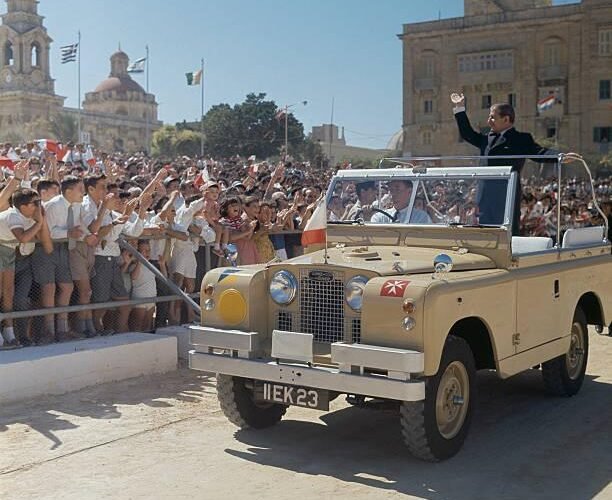
This Monday, 21 September 2026, Malta will mark the 62nd anniversary of independence with ceremonies in Valletta and Floriana. The morning begins with the Armed Forces of Malta Band marching from Parliament to St John’s Square, followed by the national salute and Guard of Honour. A Pontifical Mass will then be celebrated at St John’s Co-Cathedral.
Later in the morning, Malta’s highest authorities will lay flowers at the Independence Monument in Floriana, accompanied by a 21-gun salute from the Armed Forces of Malta. The commemorations continue in the evening with the traditional Independence Day Concert at the Manoel Theatre, performed this year by the Malta Philharmonic Orchestra.
Sur 21 September 1964, after more than 150 years of British rule, Malta became an independent sovereign state. It was the end of a long political journey for islands whose position in the middle of the Mediterranean had made them strategically important to Britain, particularly during the two World Wars. By the years following the Second World War, however, Malta was increasingly looking towards greater control over its own affairs and reconsidering what its relationship with Britain should be.
The road to 21 September
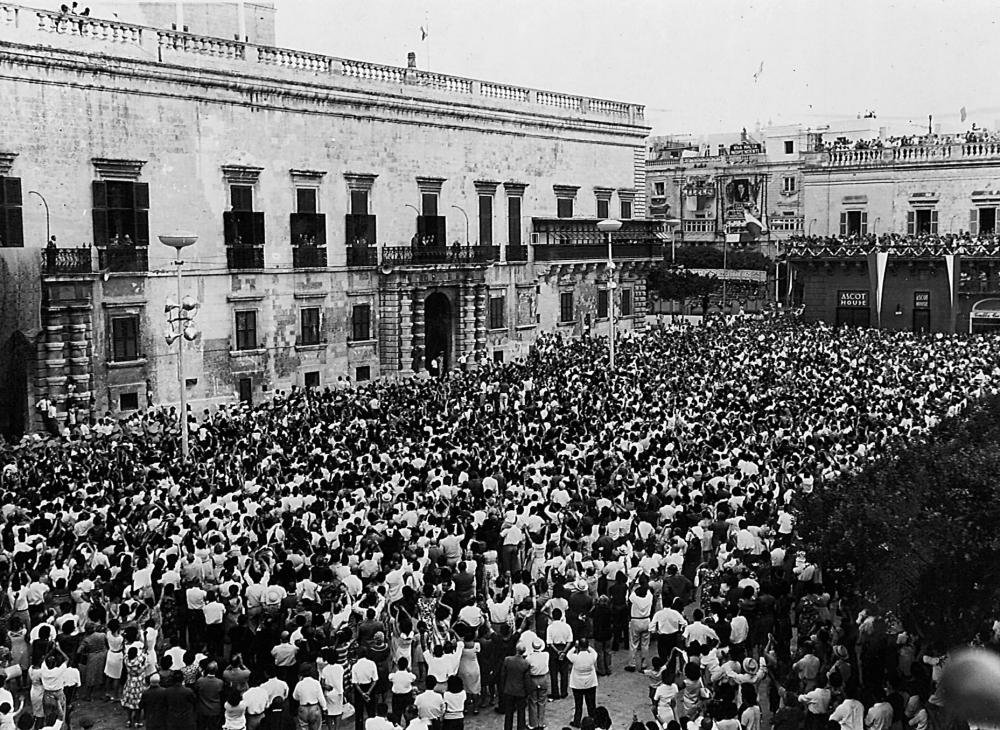
Independence did not arrive overnight. The years leading up to 1964 were marked by political debate, constitutional changes and different ideas about Malta’s future. Following the 1962 election, Prime Minister George Borg Olivier formally requested independence, beginning negotiations with the British Government. An Independence Conference followed in London in 1963, and the proposed Constitution was eventually put before the Maltese people in a referendum in 1964.
The final legal steps were taken that summer, and 21 September 1964 was established as the day on which Malta’s new Constitution would come into force. From that date, Malta was no longer a British colony. It had become an independent country with its own Constitution and government, able to determine its own political direction and establish its own place internationally.
There was still another chapter to come. Independence did not immediately make Malta a republic. For the first ten years, the country remained a constitutional monarchy within the Commonwealth. It was only on 13 December 1974 that Malta became a republic. This is why Independence Day and Republic Day are still celebrated separately, alongside Freedom Day, Sette Giugno and Victory Day, each marking a different part of Malta’s modern history.
From 1964 to Malta today
It is easy to forget how recent all of this history is. Someone born when Malta gained independence would be just 62 years old today. In the decades since, the country has changed enormously, eventually joining the European Union in 2004 and becoming home to a much larger international community.
Yet 21 September remains one of the dates that helps explain how modern Malta came to be. The Constitution that entered into force with independence established the framework of the new state, while independence itself gave Malta an international identity of its own. For those of us who came to Malta from somewhere else, the public holiday is also an opportunity to understand a little more about the country we now call home.
One of the most visible reminders of that story stands in Floriana, just outside La Valette. The Independence Monument, created by Maltese sculptor Ġanni Bonnici, commemorates the events of 1964 and remains at the heart of the country’s official celebrations. The monument became such a recognisable symbol of the anniversary that it was featured on a Maltese €2 commemorative coin marking 50 years of independence in 2014.
Remembering the day
For most of us, Monday may still mean a welcome extra day away from work. But behind it is a story that is only a little more than six decades old: the day Malta stopped being governed as a colony and began writing its future as an independent country.
And perhaps that is the simplest way to look at 21 September. The flags, ceremonies and public holiday are the traditions we see today. Independence Day is the reason behind them.

 English
  Danish
  French
  German