


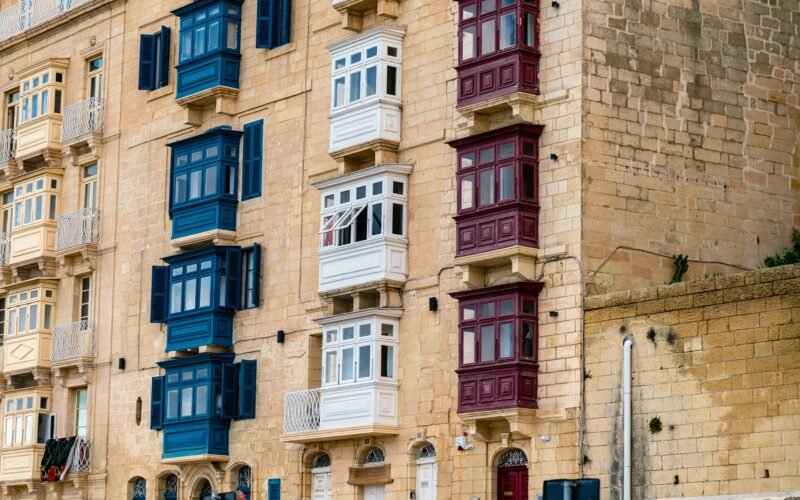
When buying a property in Malta as a foreigner, the process is generally straightforward, but the rules behind it are not always the same for everyone.
Your position as an EU or non-EU national, your residency status, and even the type of property you are purchasing can all influence what is required, from permits to eligibility for certain schemes. For many expats, this is where uncertainty begins, especially when navigating local requirements for the first time.
Taking the time to understand these differences early on allows you to approach the purchase with clarity, avoid unnecessary delays, and structure the transaction in a way that supports your long-term plans, whether you are relocating, investing, or buying a second home.
EU Citizens Buying Property in Malta
EU nationals benefit from a more flexible framework, but their rights depend largely on their residency status.
EU citizens who have lived continuously in Malta for at least five years can acquire property without restriction. They are not required to obtain an Acquisition of Immovable Property (AIP) permit and may purchase multiple properties without limitation.
For EU citizens who have not yet reached five years of residence, the position is more nuanced. They may purchase a primary residence without an AIP permit, but will require one if the property is intended as a second home or investment.
In both cases, properties located within Special Designated Areas offer greater flexibility, as they fall outside the standard acquisition restrictions.
Non-EU Citizens Buying Property in Malta
For non-EU nationals, the process is more structured when buying a property in Malta, and typically involves obtaining government authorisation.
In most cases, non-EU buyers must apply for an AIP permit before completing the purchase. This permit is subject to specific conditions, including minimum property values and restrictions on use.
Outside Special Designated Areas, non-EU buyers are generally limited to owning one residential property, which is typically intended for personal use rather than rental.
The application process requires submission of property details and supporting documentation, and processing typically takes around 35 days when the application is complete.
This step is not a formality. It directly affects the timing and structure of the transaction and should be considered from the outset.
The Role of Special Designated Areas
Special Designated Areas (SDAs) play a central role in Malta’s property market for foreign buyers. These areas are established under Maltese law, specifically under the Immovable Property (Acquisition by Non-Residents) Act (Chapter 246) and subsidiary legislation including Legal Notice 320 of 2007, which provides the framework for designating such zones.
In practice, SDAs are developments granted a special status by the Maltese Government, allowing both EU and non-EU nationals to purchase property with the same rights as Maltese citizens. This means that buyers do not require an AIP permit, are not limited in the number of properties they can acquire, and may generally rent out the property without restriction.
As a result, SDAs are often the preferred route for foreign buyers seeking flexibility, particularly those who do not meet long-term residency requirements or who intend to purchase property for investment purposes.
Understanding the Promise of Sale
In Malta, property transactions typically begin with a promise of sale agreement, commonly referred to as the konvenju. This is a legally binding preliminary agreement governed by the Civil Code (Chapter 16 of the Laws of Malta).
At this stage, the buyer typically pays a deposit, often around 10% of the purchase price, and both parties commit to completing the transaction within an agreed timeframe, subject to certain conditions.
The promise of sale also triggers key legal and tax obligations. It must be registered by the notary within a set period, and provisional stamp duty of 1% is payable at this stage under the Duty on Documents and Transfers Act.
Where an AIP permit is required, the promise of sale forms part of the application process, making its structure particularly important for foreign buyers.
For this reason, the promise of sale should not be treated as a formality. It is the stage where conditions, timelines, and protections are agreed, and where issues relating to permits, financing, or property status can directly affect whether the transaction proceeds to final deed.
Can a Promise of Sale Be Cancelled or Extended?
A promise of sale in Malta is a binding agreement, but it is usually made subject to specific conditions. This means it can be lawfully cancelled if certain agreed conditions are not met.
Common acceptable reasons include:
- Failure to obtain a bank loan within the agreed timeframe
- Refusal or delay in obtaining an AIP permit (where applicable)
- Issues uncovered during notarial searches, such as title defects or legal impediments
- Significant problems with the property, including planning or structural irregularities
If these conditions are clearly included in the agreement, the deposit is typically refundable.
The duration of a promise of sale is also important. It is usually set for a fixed period, often three months, but this can vary depending on the complexity of the transaction.
In practice, the agreement can be extended by mutual consent of both parties, which is common where delays arise from financing, permits, or administrative processes. However, if the deadline expires without extension, the agreement may lapse or expose one party to penalties, depending on the terms.
For foreign buyers, it is particularly important to ensure that timelines are realistic and aligned with requirements such as AIP approval or loan processing, as these factors can directly affect whether the transaction proceeds to completion
What Foreign Buyers Should Not Assume
One of the most common mistakes when buying a property in Malta is assuming that the notary or the process itself will automatically uncover every potential issue with the property.
While the notary conducts title searches and prepares the deed, buyers are still expected to carry out proper due diligence. This often includes verifying planning permits, checking for outstanding liabilities, and confirming the legal status of the property.
For foreign buyers unfamiliar with the Maltese system, this distinction is particularly important. It highlights the need for careful review and, where necessary, additional professional input beyond the standard process.
Taxes and Costs to Consider

Buying a property in Malta involves several tax and cost considerations that should be factored in early. Stamp duty is generally charged at 5% of the higher of the purchase price or market value, and is split between the promise of sale stage and the final deed.
Additional costs may include:
- Notary fees, typically around 1% to 3% of the property value
- Architect and inspection fees
- Bank charges and valuation fees
- AIP permit fee (currently €233 where applicable)
Foreign buyers should also factor in currency exchange costs and financing conditions, which may differ from those applicable to local buyers.
Property Prices in Malta: A Growing Market
When buying a property in Malta, it is important to consider not only the legal process but also the direction of the market. In recent years, property prices have shown consistent growth, supported by strong demand and limited land availability.
According to Malta’s National Statistics Office, the Residential Property Price Index increased by approximately 5.7% year-on-year in 2025, reflecting steady upward movement across the market. In simple terms, prices have been moving in one direction, and it is not down. Waiting it out in the hope of a sudden drop is not a strategy many buyers have seen pay off.

Bonus: Government Grants and First-Time Buyer Schemes
Malta offers a range of government incentives that can significantly reduce the cost of purchasing a property. These are often overlooked by foreign buyers but may still apply, particularly when acquiring a primary residence.
First-Time Buyer Stamp Duty Exemption
First-time buyers in Malta benefit from a stamp duty exemption on the first €200,000 of the property value.
Since standard stamp duty is charged at 5%, this translates into a saving of up to €10,000, applied directly at the time of purchase. In practice, this means you pay less tax upfront when signing the final deed, as the exemption is handled through the notary.
To qualify, the buyer must not have previously owned residential property in Malta and the property must be used as a primary residence.
This is one of the most immediate and accessible incentives available when buying a property, as the benefit is applied directly during the acquisition process rather than after.
First-Home Grant
Malta currently offers a government cash grant of up to €10,000 for eligible first-time buyers purchasing a residential property. This typically applies to properties in Urban Conservation Areas (UCAs), older properties that have been vacant, or certain newly developed properties that meet approved criteria.
The grant is paid over time, typically around €1,000 per year for 10 years, providing ongoing financial support after the purchase is completed.
To qualify, the property must be your first purchase, intended as your primary residence, and acquired within the applicable scheme period. Applications must be submitted within a set timeframe following the final deed, and the property must remain a single residential unit.
In terms of eligibility, the scheme is not strictly limited by nationality, meaning both EU and non-EU buyers may qualify. However, applicants must be tax resident in Malta and meet all conditions tied to first-time ownership and residential use.
Urban Conservation Area and Restoration Incentives
Buyers purchasing property in Urban Conservation Areas (UCAs) or older buildings may benefit from additional incentives, including:
- Stamp duty exemptions in certain cases
- VAT refunds on restoration works
- Other grants aimed at encouraging rehabilitation of older properties
These schemes can provide substantial financial support, particularly for buyers interested in traditional Maltese homes or renovation projects.
Second-Time Buyer Stamp Duty Relief
If you already own a property in Malta, you are likely familiar with the purchase process. However, what many buyers overlook is that there are still incentives available when replacing your main residence.
Buyers upgrading or changing their primary home may benefit from a partial stamp duty refund on the purchase of a new property.
Currently, this relief applies to the first €86,000 of the property value, resulting in a refund of up to €4,300 (based on the standard 5% duty rate).
To qualify, the buyer must sell their existing primary residence and purchase a new one within the applicable timeframe, as defined by the scheme conditions.
Unlike the first-time buyer incentives, this is not a cash grant, but a refund of stamp duty already paid, making it particularly relevant for homeowners upgrading or relocating.
Important Considerations or Foreign Buyers
For foreign buyers, buying a property in Malta is not just about finding the right home, but understanding how the process applies to your specific situation from the outset.
The distinction between EU and non-EU buyers, permit requirements, and the intended use of the property all play a role in how the transaction should be structured. While incentives and schemes may be available, they are not automatic and often depend on factors such as residency status, timing, and how the purchase is planned.
Taking a structured and informed approach early on can help avoid delays, reduce risk, and ensure that opportunities are not missed along the way.
If you are thinking of buying a property in Malta, having the right guidance early on can make a significant difference. We work closely with licensed real estate professionals and can point you in the right direction if you require support with your property search or throughout the transaction process.
GET IN TOUCH
Schedule a Consultation
Feel free to get in touch or follow us on social media, where we share regular insights and practical guidance for expats navigating life in Malta.


 English
  Danish
  French
  German