


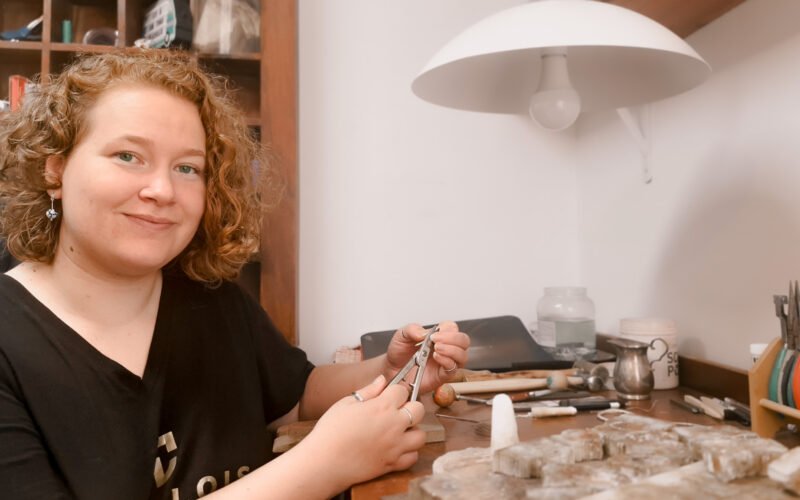
For many expatriates, moving to Malta is not only a change of location, but the beginning of a new chapter. For Tara Lois, a British jeweller now based in Gozo, that chapter became the foundation of a deeply personal and internationally recognised creative practice.
Young, highly trained, and shaped by an education across France, London and Scotland, Tara brought her craftsmanship to the island at a time of global uncertainty. What began as a relocation soon evolved into a business rooted in both technical excellence and emotional storytelling.
Whether it’s an engagement ring, a piece of jewellery passed down through the family, or something you no longer wear but cannot part with, Tara approaches each project with care and respect for its story. In her hands, jewellery becomes more than something you wear. It becomes a way to keep memories close, to carry them forward, and to turn them into something you can enjoy again.
But how does that process really begin, and what does it take to turn something so personal into a piece you can wear every day?
We spoke with Tara about her journey to Gozo, the stories behind her work, and the meaning behind the pieces she creates.
Where It All Began
1. Could you introduce yourself and tell us about your journey from the UK and France to finally relocating to Malta and establishing your jewellery business in Gozo?
In 2020 I arrived in Gozo on an expatriation flight during the COVID pandemic, carrying a suitcase with my jewellery that had been meant for my university degree exhibition. The exhibition was cancelled, but the jewellery travelled with me and, in many ways, so did the beginning of my professional life here.
Although I am British, my family moved to France when I was four, so I grew up there. I was always drawn to making things and began with sculpture. Everything changed when I was fourteen and spent time working with an artisanal jeweller near Toulouse. He recognised my ability and invited me back during the summer, giving me my first real experience at the jeweller’s bench and making me realise this was what I wanted to do.
I later moved to London to train in jewellery fabrication with the Worshipful Company of Goldsmiths. At eighteen I received the graduation award for Excellence in Craftsmanship and won a Goldsmiths Craft and Design Council Award. Still unsure in which direction to specialise, I went on to study Jewellery and Metal Design at Duncan of Jordanstone College of Art and Design at the University of Dundee. That broader training proved invaluable, especially in Malta where a jeweller often has to do everything from the first design idea to the final polish.
2. What was it about Malta, and especially Gozo, that made you feel this was the right place to live and develop your creative work?
When my parents retired to Gozo, it became my home too, even though at the time I was studying jewellery in London. During holidays I came back to the island and worked with the well-known jeweller George Farrugia at Ta’ Dbiegi Crafts Village.
George welcomed me into his workshop and we experimented constantly, sharing techniques that I had learned at university while he passed on decades of practical experience. He also allowed me to develop my own university projects while I helped in the shop, especially when French visitors came in, and assisting with client commissions.
That generosity and openness left a real impression on me. It made me feel part of the craft community very quickly.”
Outside the workshop, Gozo itself felt right. Having grown up in the countryside, I was drawn to the slower rhythm of life here, the dramatic coastline and the sense of space. But just as important is the strength of the creative community. For such a small island, Gozo is full of artists and makers, and there is something very special about being surrounded by people who care deeply about art and craftsmanship.
Preserving Meaning Through Contemporary Jewellery
3. Many of your clients come to you with jewellery that already carries sentimental value. How do you approach transforming these personal pieces?
One of the most important parts of my work is listening. As people talk about their jewellery, their eyes often light up when they pick up a particular piece or tell me the story behind it. Those moments show me what really matters and what cannot be lost.
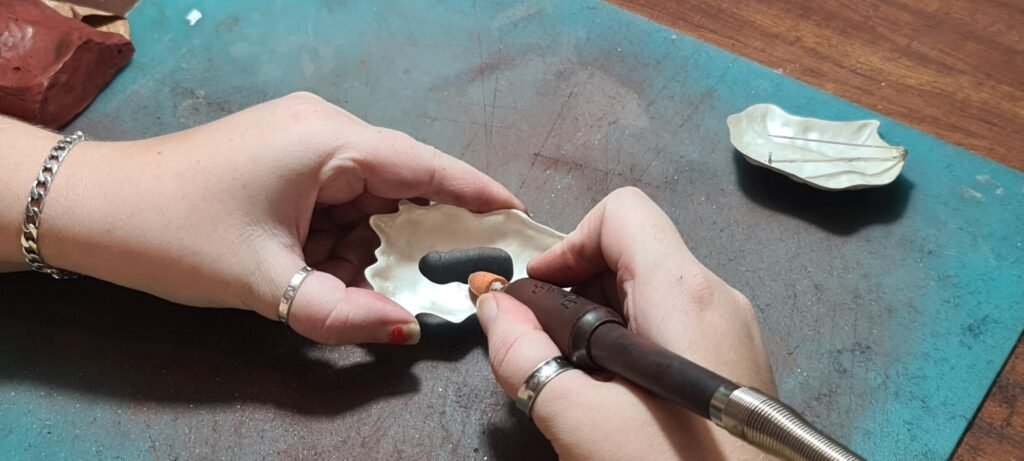
One client arrived with an entire silver tea service and asked me to melt it down into a cuff bracelet. As we talked, I realised she still had an emotional connection to it. Instead of losing that history, I removed the rim from the sauce boat and built its textured edge into the cuff, creating something new that still carried the memory of the original object.
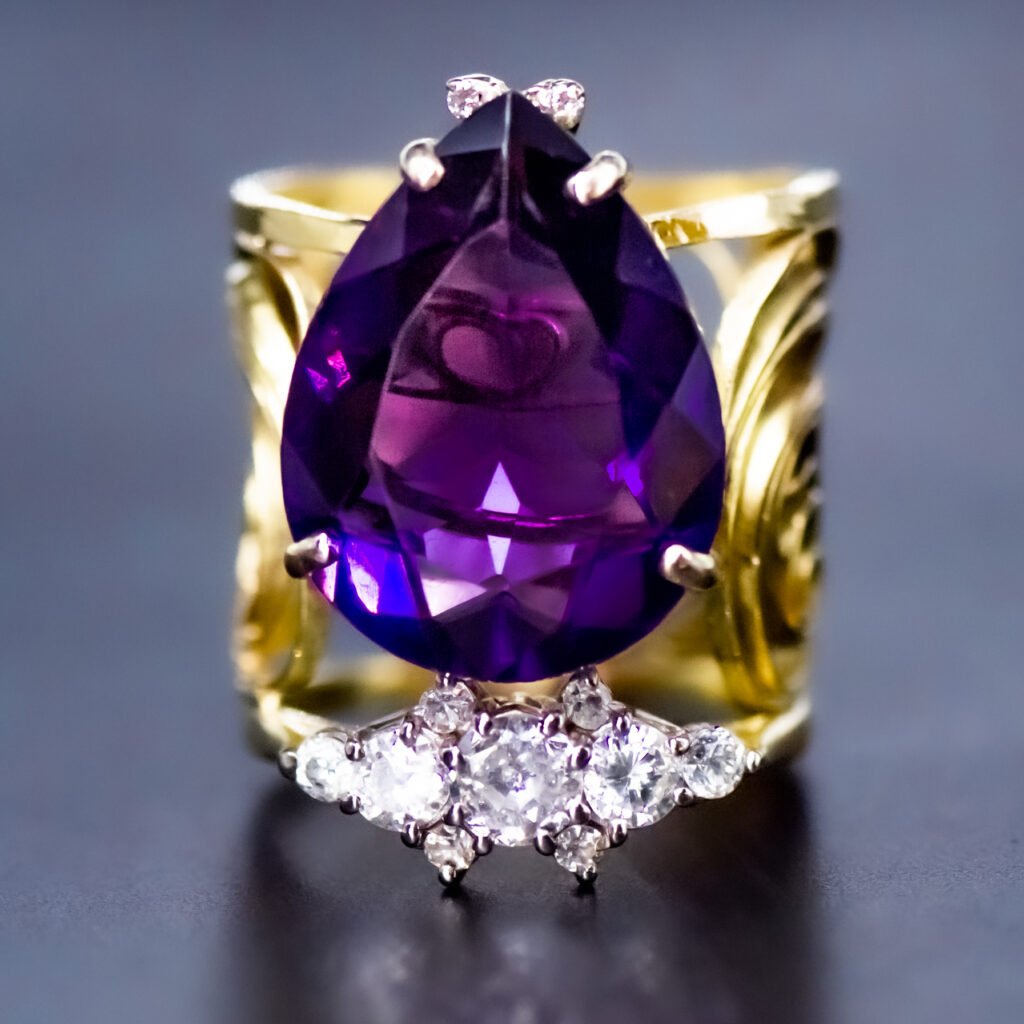
Another client came with her grandmother’s diamonds and a large amethyst pendant. I realised the diamond ring was the emotional anchor, so I left it intact and built a new piece around it. That project became the start of a long relationship, and she has since returned to redesign more jewellery.
Because of the trust we build, clients often come back years later. Not every piece carries that level of emotion, though. Some come with what I call “divorced diamonds”, which can simply be reimagined.
When memory is involved, my role is to protect what matters while creating something that can be worn and loved again.”
4. Could you walk us through your creative process, from the first conversation with a client to the final finished piece?
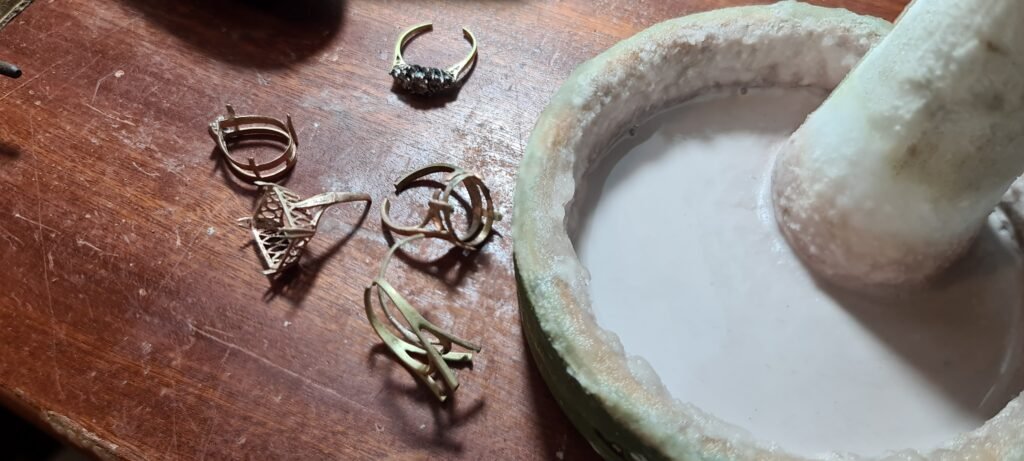
Before- Broken jewellery tells story
Because my clients are based both in Malta and internationally, many projects begin with a video call rather than a studio visit. That first conversation is never really about the jewellery alone. It is about the story behind it, how the client feels about it and what they hope it might become.
From there I create 3 completely different design proposals, each opening up a different possibility rather than small variations on the same idea. We then talk again and the client tells me which features they feel most drawn to. Sometimes one design is immediately right, while other times they fall in love with parts of all three, and my job is to bring those elements together into one final design.
Once that is agreed, I begin making the piece in the workshop. Every design is effectively a prototype, so the process stays flexible and collaborative. I send photographs and videos as the jewellery develops so the client can follow the journey and feel part of it, watching something deeply personal slowly becoming wearable again.
5. Sustainability is an important aspect of your work. How do you incorporate sustainable practices into your materials and the way you create your jewellery?
For me, sustainability is not only good for the environment, it is also a real advantage for the client. When people already own gold and gemstones, it makes far more sense to reuse them than to buy new materials, especially with gold prices now so high. That means clients can preserve the sentimental value of their jewellery while also avoiding a huge material cost.
The same thinking runs through my workshop. My studio in Gozo operates off grid using solar power and battery storage, with rainwater collected for workshop use. I work almost entirely with recycled metals and avoid harmful chemicals wherever possible. For me, good jewellery should not come at the expense of the world around it.
Recognition, Growth and International Reach
6. You have received several recognitions and awards throughout your career. Which milestone has been particularly meaningful to you and why?
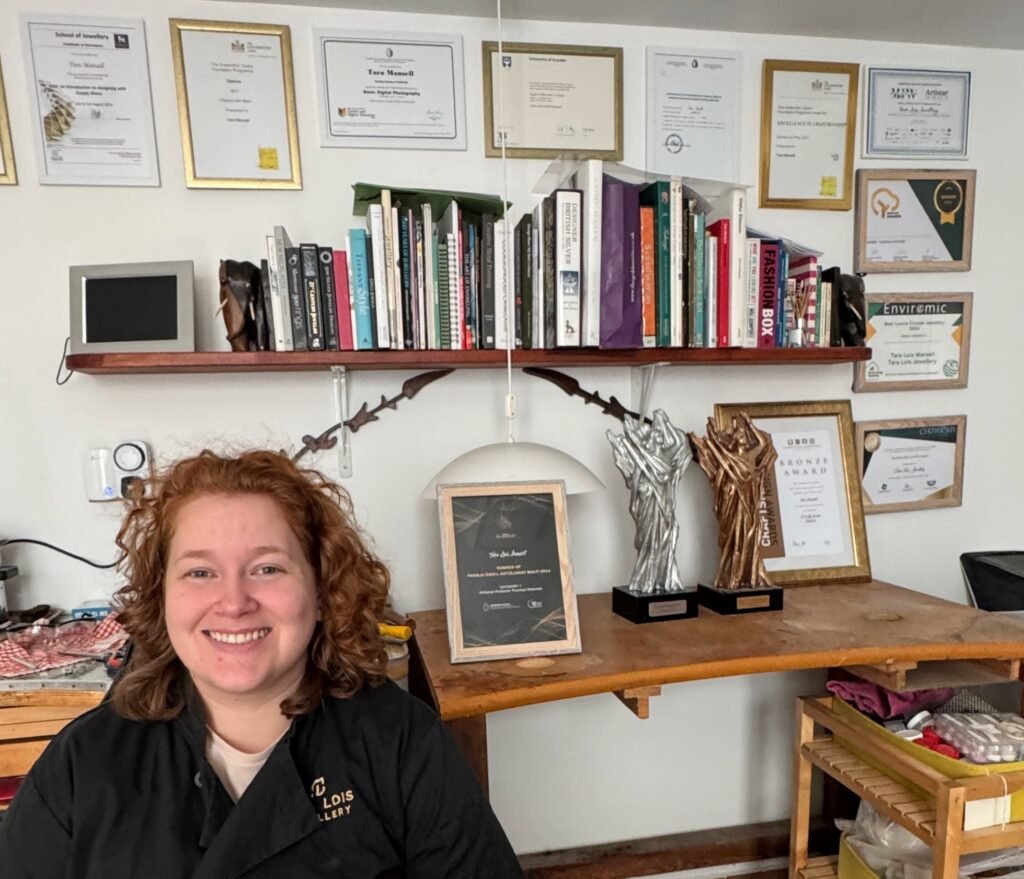
I think it is difficult to choose just one milestone as being particularly meaningful, because there have been several moments that really set my career on the right path.
Receiving a Goldsmiths Craft and Design Council Award when I was eighteen remains one of the most defining. It is one of the most respected awards in British jewellery, and many UK jewellers spend their whole working lives hoping to receive one. To win it at such an early stage gave me a huge sense of encouragement and reassurance that I was on the right path.
Shortly after setting up Tara Lois Jewellery, I was approached by British Vogue, which was completely unexpected at that stage.
My work has since appeared in three editions of British Vogue and in Vanity Fair, and that early international exposure was an incredible boost. It gave me confidence that what I was creating resonated beyond my immediate surroundings.
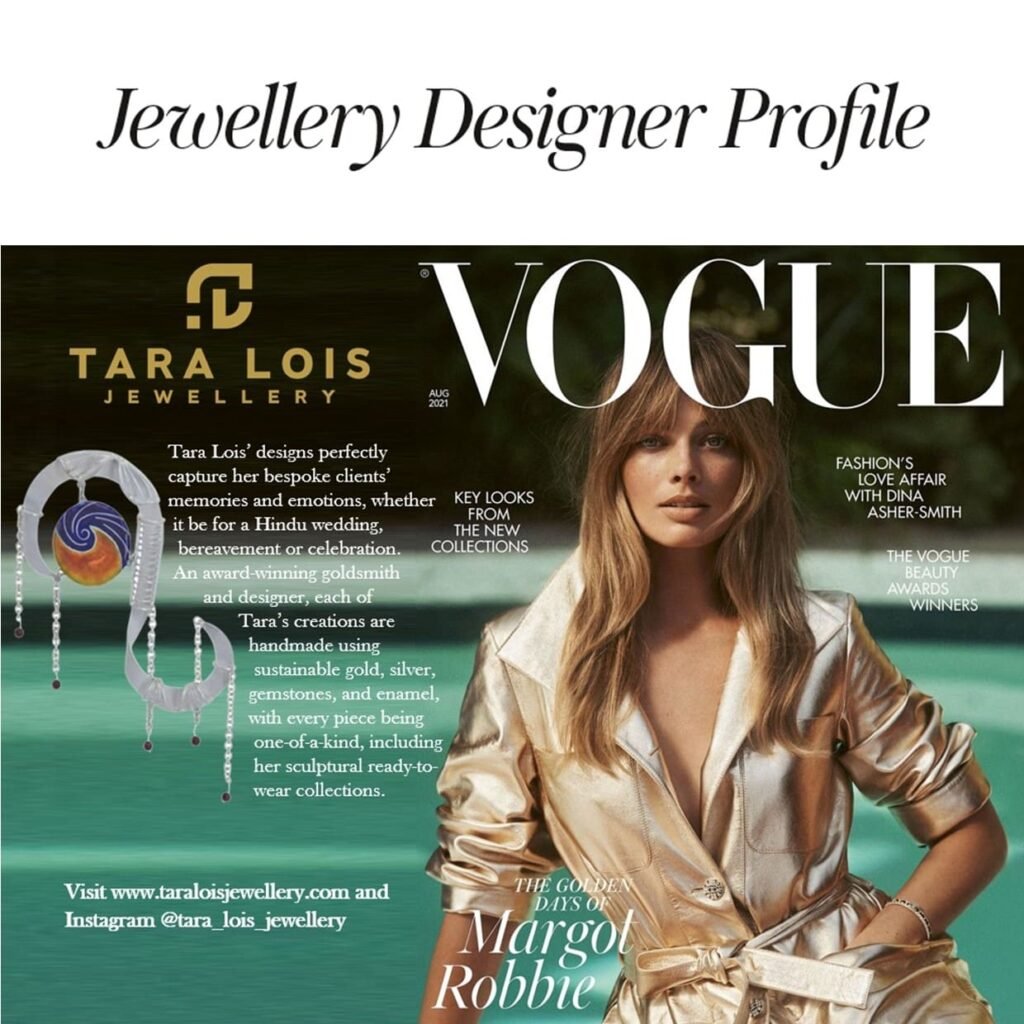
7. Your work has also been featured internationally and exhibited in different countries. How has this exposure shaped your confidence and direction as a designer?
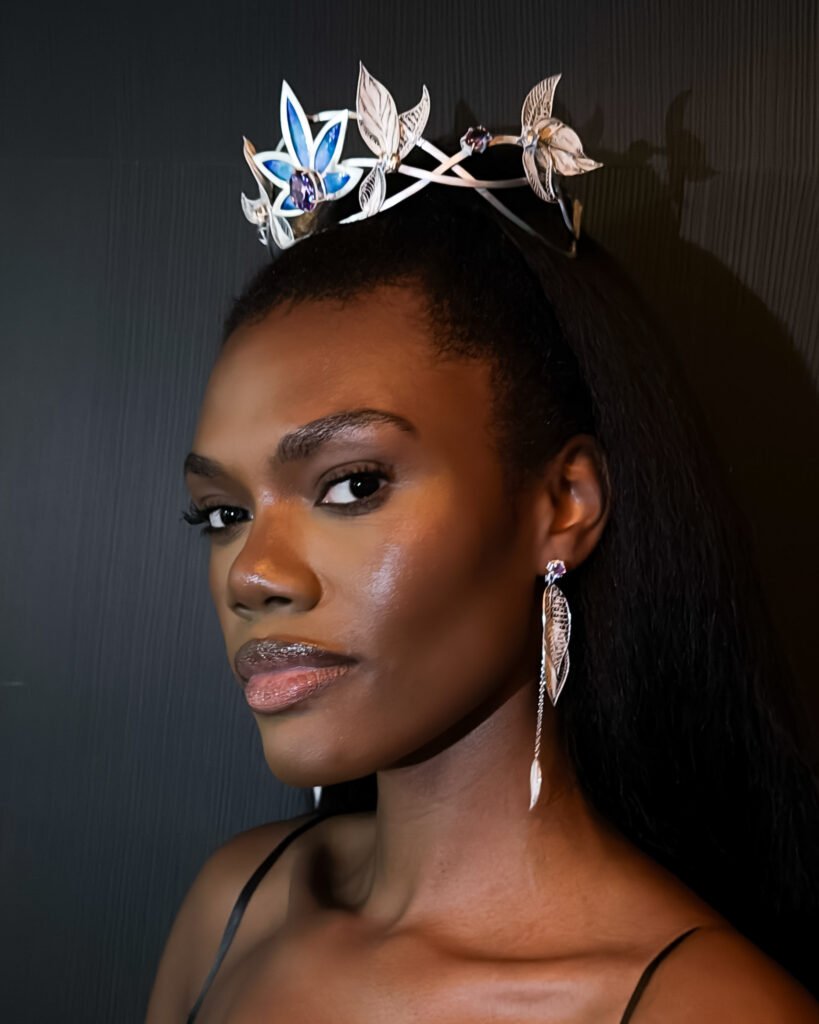
Alexandrite and enamel tiara worn by supermodel London Knight in Monte Carlo – Tara was invited by the curators of the Monte Carlo Luxury Jewellery Show to exhibit.
Having exhibited internationally over the past few years, one of the most encouraging developments has been seeing collectors from around the world beginning to acquire my jewellery and curators taking notice of what I am doing. That kind of recognition gives confidence that my work resonates beyond Malta.
I have exhibited at events including the Monte Carlo Luxury Jewellery Show, Milan Jewellery Week, Munich Jewellery Week and Sieraad in the Netherlands. At these shows I have presented bespoke pieces, many lent back by clients in Gozo and Malta, and the response has been remarkable.
At Milan Jewellery Week, La Repubblica gave my work top billing among the featured jewellers, showing that jewellery from Malta can stand confidently on the international stage.
Alongside this, I also create limited silver collections so that people have a more accessible way to experience my jewellery. These pieces are now worn as far afield as Australia, Hawaii, New York and Dubai.
8. What are some of the challenges of working as an independent jeweller in Malta, especially when many of your clients are international?
One of the biggest challenges is access to materials and specialist services. In countries such as the UK, France or Germany, jewellers can order precious metals, gemstones and tools easily, and many stages of the process are carried out by specialists such as gemsetters or polishers. In Malta those services are very limited because the number of independent full-time jewellers is now quite small.
9. You also host jewellery workshops and creative experiences. What inspired you to start these workshops, and what do participants usually gain from the experience?
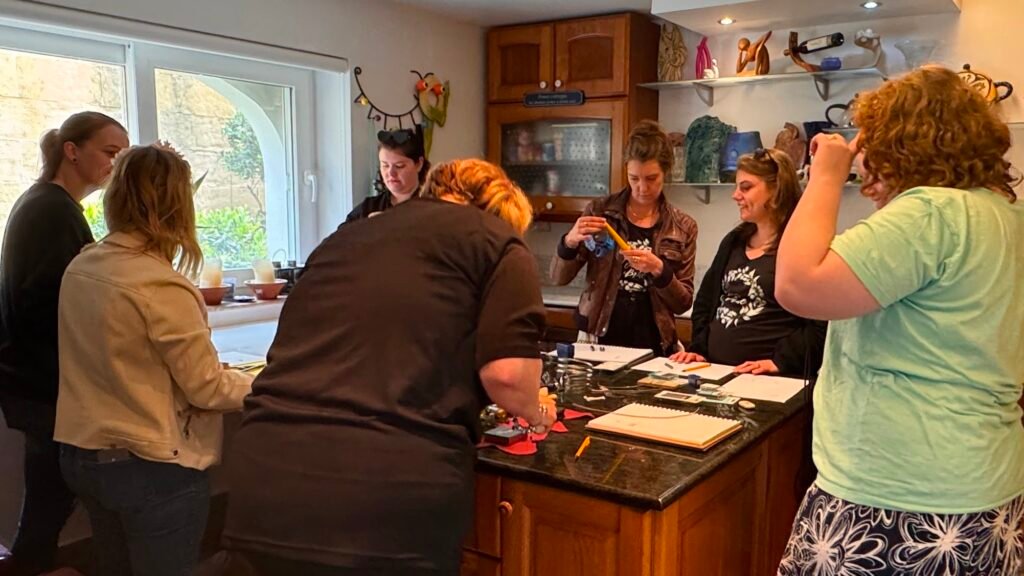
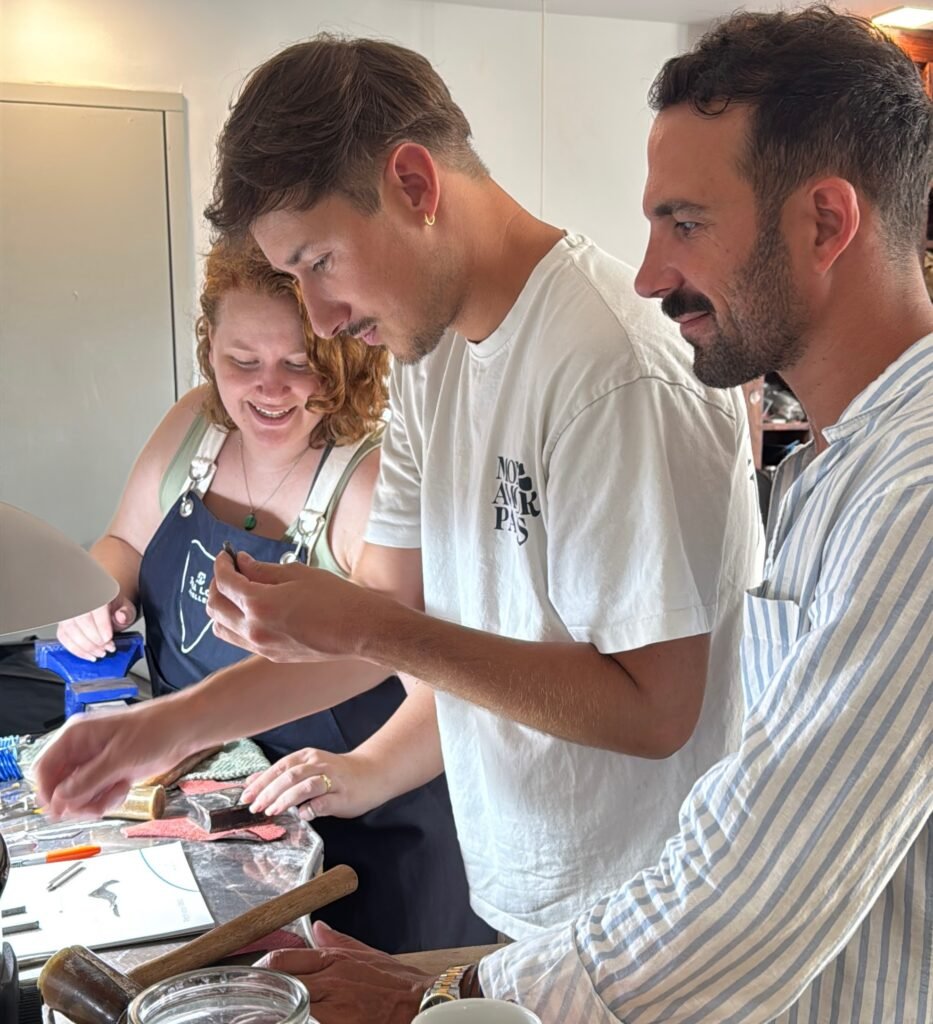
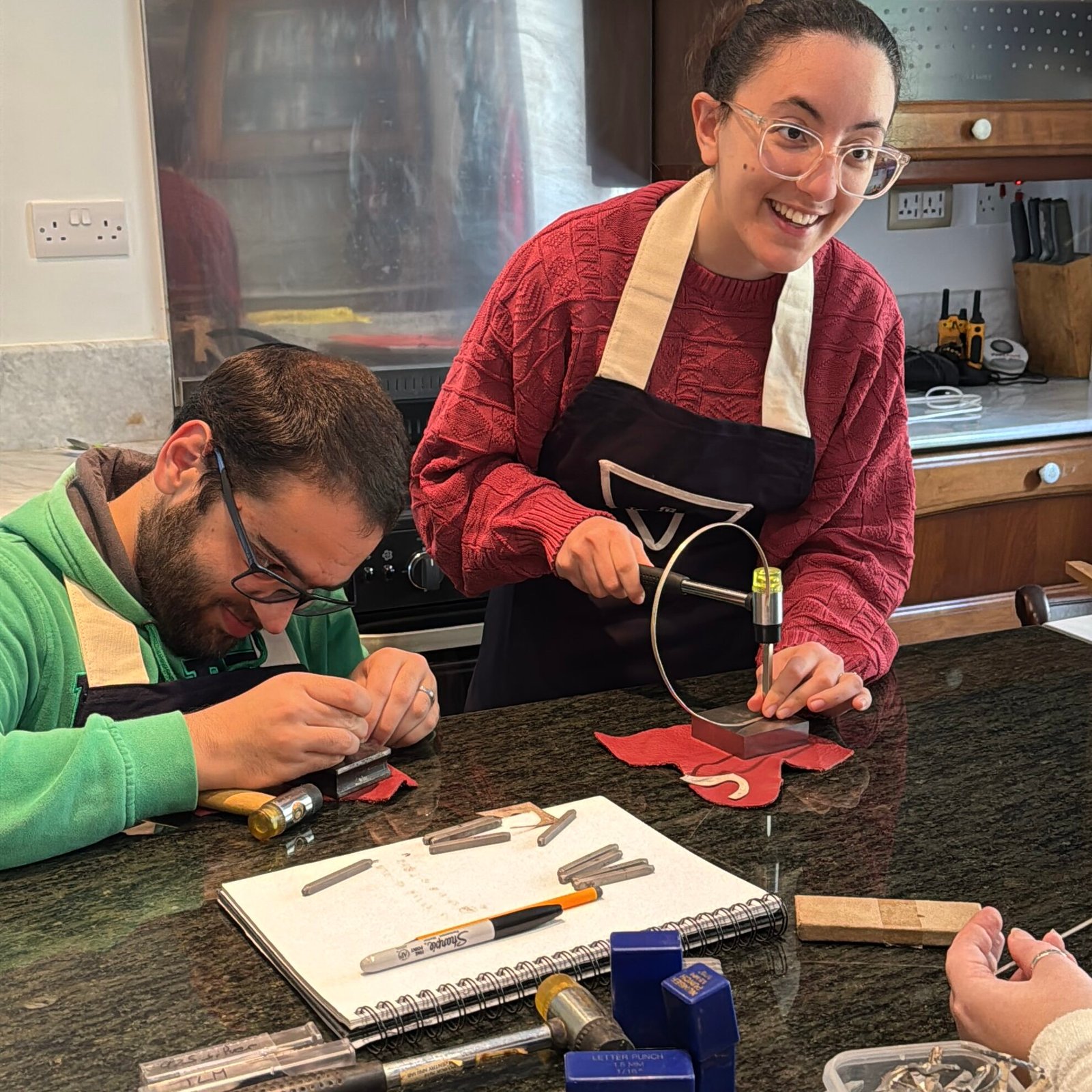
The workshops began when the head of Visit Malta came to Gozo looking for luxury experiences that visitors could not find anywhere else. He asked whether jewellery making might become part of that offer, and from that conversation the idea started to take shape.
What has made the workshops so special is that they are never really just about making jewellery. They are also about memory, occasion and experience. Some people come simply because they want to try something new while they are in Gozo, while others book it as a gift for someone they love.
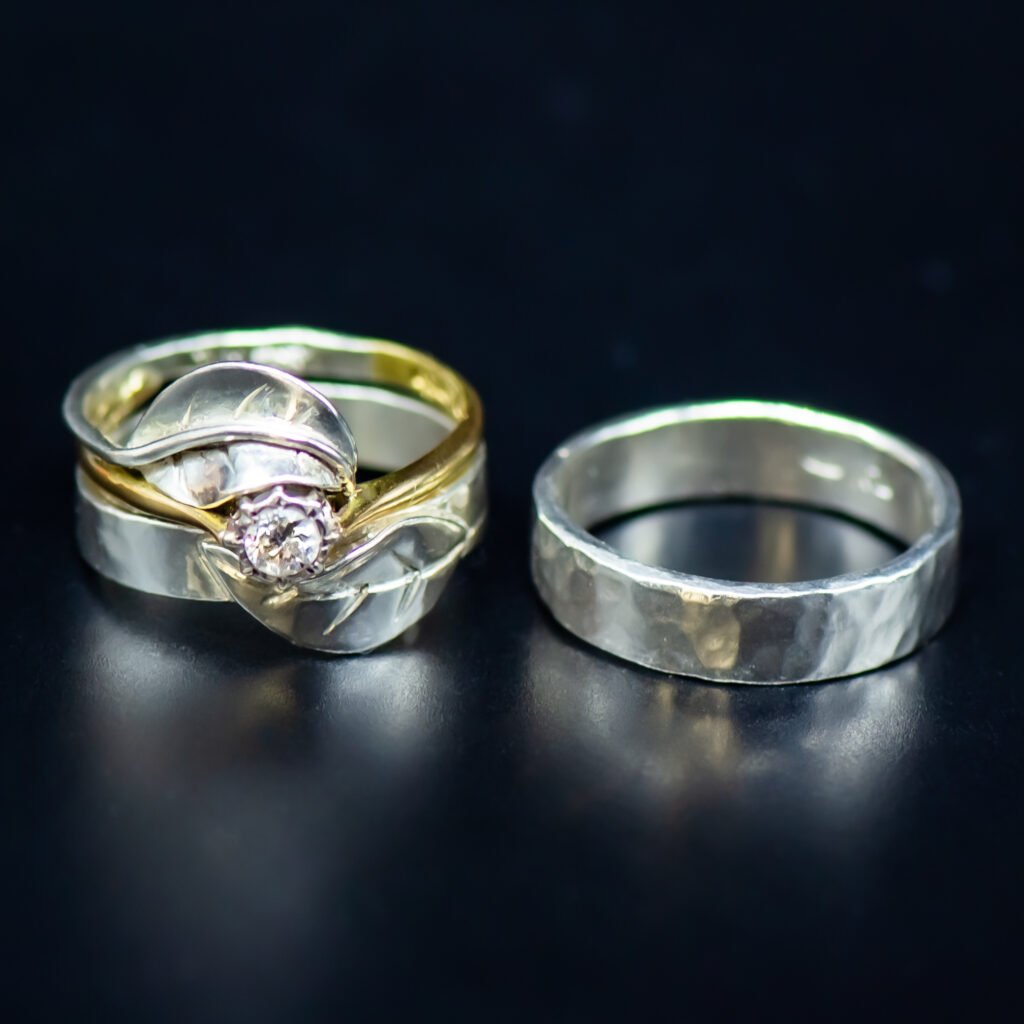
I have also run private workshops for those who want something more personal. Some arrive with their own gemstones and we turn them into engagement rings. Others bring their own gold and make their wedding rings themselves, or for each other.
10. Looking ahead, what are your future plans for Tara Lois Jewellery? Are there any upcoming projects, collections, or collaborations you would like to share with our readers?
The international side is already building strongly, and this year I have been invited by the curators to exhibit at the Desire Jewellery & Silversmithing Fair in the UK, one of the most respected events in the British jewellery calendar. At the same time, I am planning to create at least one major piece this year that I hope will bring recognition to Malta for our jewellery making skills.
Closer to home, I am also working on something I care about deeply. In October 2026 we are planning a jewellery exhibition in Gozo’s Citadella that will bring together some of the best jewellers working in Malta alongside selected international exhibitors. I want people here to see the breadth, quality and excitement of contemporary jewellery without feeling they have to travel abroad to experience it.
If Tara Lois Jewellery can help raise the profile of Maltese jewellery while continuing to grow as a brand, then that feels like the right future.”
How to Find Tara

If you feel inspired to create something of your own, whether it is reworking a piece you already have or starting from a new idea, Tara’s work can be explored through her website and social platforms. There, you can see her latest creations, follow her process, and get a sense of how each piece begins with a story.
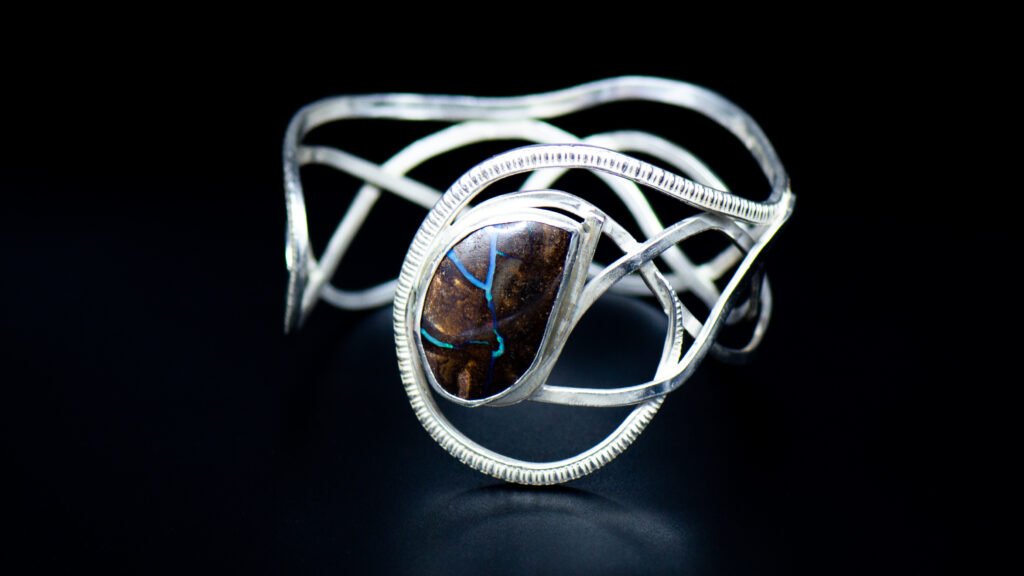
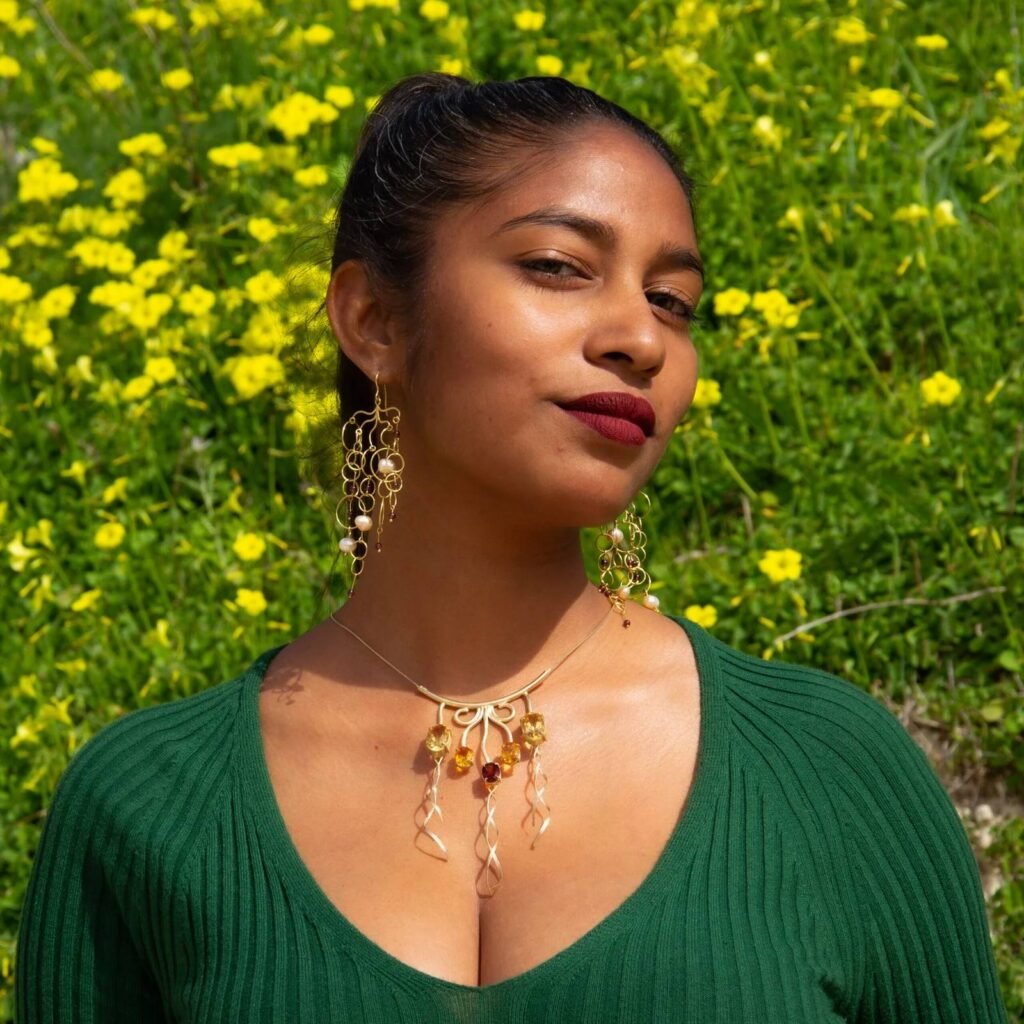
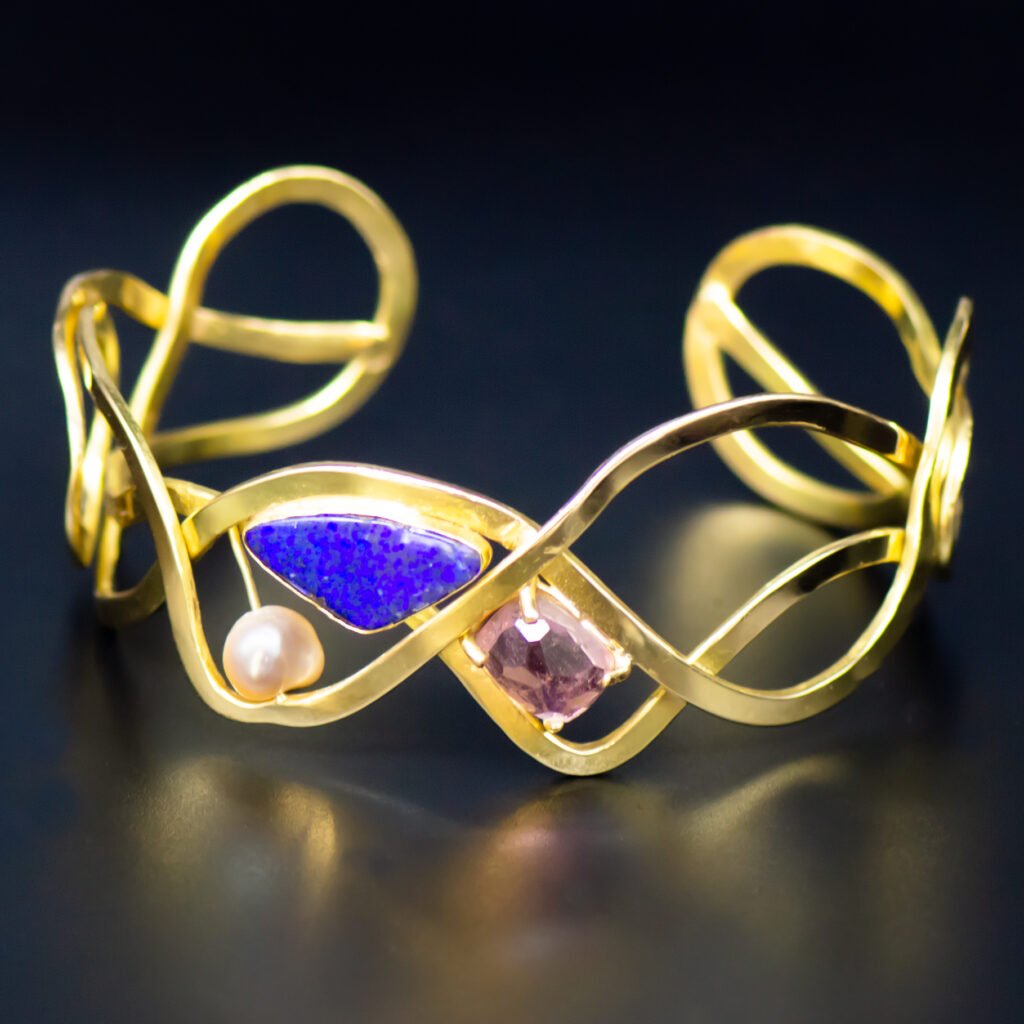
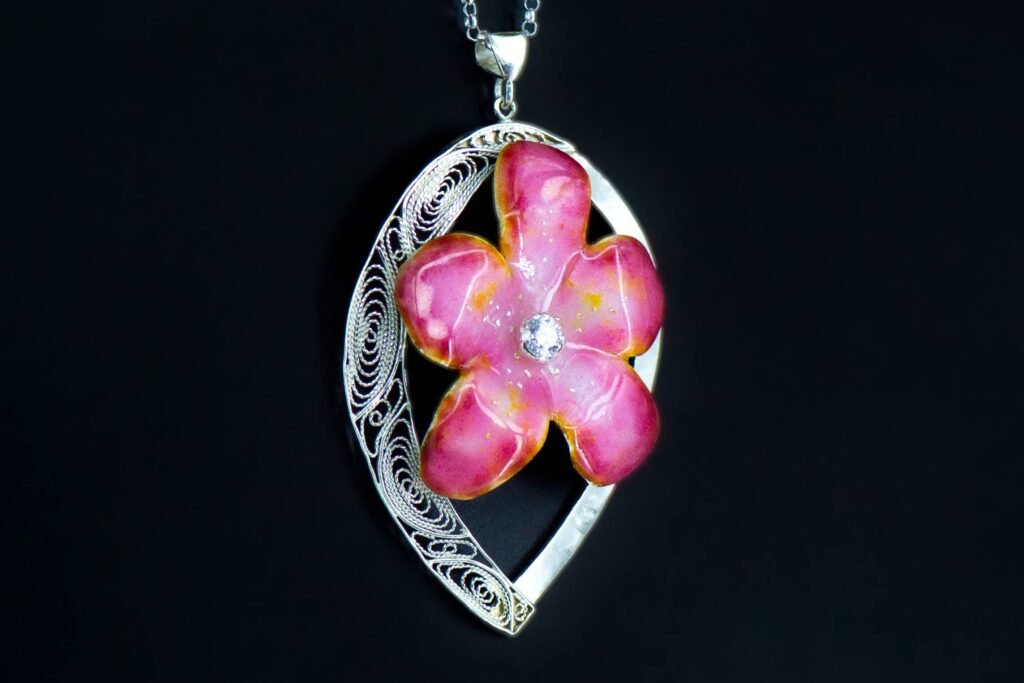
Take a closer look at Tara’s work, where each piece reflects her creative process, attention to detail, and the stories behind it.
Where Craft Becomes Legacy
From a single suitcase of jewellery arriving in Gozo during uncertain times, Tara Lois has built a practice that feels both grounded and far-reaching. Her work moves quietly between past and present, honouring what has been while reshaping it into something that can continue to be worn, lived with, and loved.
In a world that often leans towards fast production and fleeting trends, her approach offers something more enduring. Each piece becomes a continuation of a story rather than a replacement for it. It is this balance between craftsmanship, emotion, and intention that defines her work and sets it apart.
For those who hold onto jewellery not just for its material value but for what it represents, Tara’s work offers a thoughtful way to carry those memories forward. Whether through bespoke commissions, carefully crafted collections, or immersive workshops, her practice invites people to reconnect with the meaning behind what they wear.
Some pieces are made to be worn. Others are made to be remembered. The rarest ones, like Tara’s, manage to do both.
If you’re an expat living in Malta or Gozo and have a story worth telling, we’d love to hear from you – connect with us through our social media bellow or complete a contact form via our website.



 English
  Danish
  French
  German