

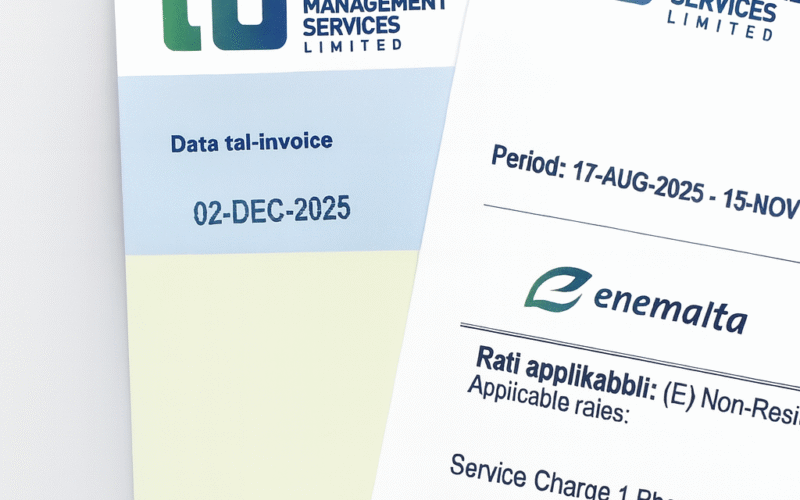
Pour de nombreux expatriés à Malte, le premier véritable “choc” n'est pas le loyer lui-même, mais la facture d'électricité et d'eau. Le système de services publics de Malte est différent de celui de nombreux autres pays. Le montant total que vous payez dépend non seulement de votre consommation, mais aussi des éléments suivants le tarif auquel votre logement est soumis et combien de personnes y sont officiellement enregistrées.
La bonne nouvelle, c'est qu'une fois que l'on a compris comment fonctionne le système ARMS et quels sont les formulaires à remplir, on peut généralement éviter de payer trop cher. Ce guide explique les principes de base des tarifs ARMS, de l'éco-réduction, de la manière d'obtenir les bons formulaires de demande d'électricité et de la manière d'obtenir les bons formulaires de demande d'électricité. résident et que faire en cas de changement d'adresse à Malte.
Pourquoi les services publics sont-ils si importants pour les expatriés ?
Les factures de services publics à Malte sont calculées à l'aide de :
- les type de tarif appliquée au bien
- les nombre de résidents enregistrés à cette adresse
- votre fourchettes de consommation d'électricité et d'eau
Un simple détail administratif, comme une facture laissée sur l'ancien tarif du propriétaire ou le fait de ne pas remplir le bon formulaire, peut facilement augmenter votre coût mensuel. De nombreux expatriés ne le découvrent qu'après plusieurs cycles de facturation.
Résidentiel et domestique : deux tarifs, une grande différence
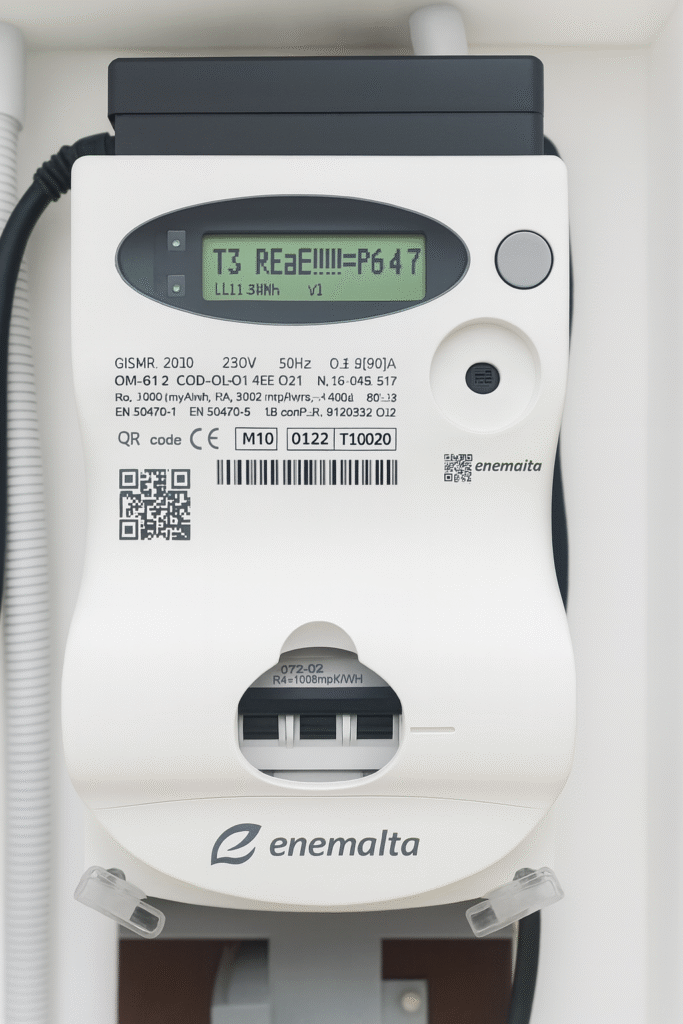
L'ARMS applique différents tarifs en fonction de l'usage qui est fait d'un bien immobilier. Les deux tarifs les plus importants pour les expatriés sont les suivants :
Tarif résidentiel
Il s'agit de la tarif correct pour votre résidence principale à Malte.
- Destiné aux personnes qui vivent effectivement dans le bien immobilier
- Livré avec des taux unitaires plus avantageux et Remises sur l'éco-réduction
- Les tranches de consommation les moins chères augmentent avec chaque résident enregistré
Tarif intérieur
Il s'agit de pas ce que vous souhaitez comme locataire à long terme.
- Utilisé pour les résidences secondaires, les propriétés vacantes ou les lieux avec des pas de résidents enregistrés
- Fait pas bénéficier de l'éco-réduction
- Peut être nettement plus cher par unité que le tarif résidentiel
Si votre facture indique “domestique” au lieu de “Résidentiel”, il y a de fortes chances que vous payiez trop cher.
Tarifs des services publics résidentiels et domestiques à Malte (électricité et eau)
Une comparaison claire des tarifs des services publics résidentiels et domestiques de Malte montre à quel point les prix de l'électricité et de l'eau peuvent varier entre les deux. Le tarif résidentiel offre des tarifs plus bas et des avantages en matière d'éco-réduction pour les personnes vivant dans la propriété, tandis que le tarif domestique applique des frais plus élevés lorsqu'aucun résident n'est enregistré.
| Type d'utilité | Tarif résidentiel | Tarif intérieur |
|---|---|---|
| Électricité (0-2 000 unités) | 0,1047 € par kWh | 0,1400 € par kWh |
| Électricité (2 001-6 000 unités) | 0,1298 € par kWh | 0,1750 € par kWh |
| Électricité (6 001-10 000 unités) | 0,1607 € par kWh | 0,2000 € par kWh |
| Électricité (tranches de consommation élevées) | De 0,3420 € à 0,6070 €. | Les mêmes tarifs s'appliquent |
| Eau - Bande normale | 1,40 € par m³ | 2,56 € par m³ |
| Eau - Bande excédentaire | 5,14 € par m³ | 5,14 € par m³ |
| Eau - redevance annuelle | €41.43 | €83.07 |
Bandes d'éco-réduction et de consommation
Avec le tarif résidentiel, les ménages peuvent bénéficier de éco-réduction - une réduction sur l'électricité si la consommation reste inférieure à certains seuils par personne.
En termes simples :
- Utilisation moins d'électricité par personne → obtenir une réduction (éco-réduction)
- Utilisation plus que la bande de faible utilisation → perte de la réduction pour cette période
- Registre plus de résidents correctement → vous obtenez un Augmentation de l'allocation pour faible consommation
C'est pourquoi la nombre de personnes enregistrées à une adresse est si importante. Un ménage de deux personnes qui est incorrectement enregistré comme “une seule personne” atteindra plus rapidement les bandes les plus chères et risque de perdre l'éco-réduction, même si sa consommation est raisonnable.
Formulaire H : Obtenir les taux de résidents corrects
Pour être sûr de bénéficier du tarif résidentiel et de l'éco-réduction, vous devez mettre à jour le système ARMS en indiquant qui habite réellement dans le logement.
Pour ce faire, il faut Formulaire H - Modification de la déclaration du nombre de personnes.
Le formulaire H est utilisé pour :
- déclarer combien de personnes habiter le bien
- enregistrer une propriété en tant que locaux domestiques habités
- s'assurer que le ménage bénéficie de baisse des tarifs et éco-réduction sur la base des résidents
Selon servizz.gov, un local habité bénéficiant d'un tarif correct bénéficie de tarifs plus bas et d'une éco-réduction en fonction du nombre de personnes enregistrées, et les services publics doivent être informés de tout changement du nombre de résidents afin que les factures reflètent les informations correctes.
Modification du nombre de personnes déclarées
Si vous louez un logement par l'intermédiaire d'un agent immobilier, la plupart d'entre eux fournissent le formulaire H le jour de la signature du contrat. Si ce n'est pas votre cas, demandez-le.
Que se passe-t-il lorsqu'un expatrié change d'adresse ?
Lorsque vous déménagez à Malte, l'enregistrement de vos services publics ne se fait pas automatiquement. Tant que vous n'avez pas mis à jour le système ARMS, vous restez enregistré à votre ancienne adresse, ce qui peut avoir une incidence sur le tarif et l'éco-réduction appliqués à votre nouvelle résidence. Avant de partir, il est important de mettre fin aux arrangements à l'ancienne adresse, de convenir avec le propriétaire si le compte sera transféré ou résilié, et d'effectuer un dernier relevé de compteur pour régler tout solde impayé. Une fois que vous aurez déménagé, vous devrez présenter une nouvelle demande de permis de construire. Formulaire H pour vous enregistrer dans le nouveau logement ; dans le cas contraire, les services publics risquent de rester à un tarif incorrect ou domestique. Après avoir emménagé, vérifiez toujours votre première facture pour vous assurer que le tarif indiqué est le suivant Résidentiel et que le nombre exact de résidents est indiqué.
Les pièges courants que les expatriés doivent éviter
Les pièges les plus courants pour les expatriés concernent généralement des accords de facturation qui ne sont pas correctement établis. Certains locataires découvrent que leur bien est toujours sur la facture la plus chère. Tarif intérieur, tandis que d'autres estiment que la nombre erroné de résidents est enregistré, ce qui leur fait perdre l'éco-réduction et les fait passer dans des tranches de consommation plus élevées. Un autre problème fréquent se pose lorsque les propriétaires gardent le compte ARMS à leur nom et facturent un montant mensuel fixe, laissant les locataires sans visibilité sur la facture réelle ou sur d'éventuelles erreurs tarifaires. La vérification du tarif, la confirmation du nombre de résidents enregistrés et l'examen régulier de la facture ARMS réelle sont les moyens les plus simples d'éviter ces problèmes.
Réflexions finales
Comprendre le fonctionnement des services publics à Malte peut faire une réelle différence dans votre confort quotidien. Une fois que votre tarif et votre enregistrement sont correctement établis, tout devient beaucoup plus prévisible et plus facile à gérer. De notre point de vue, nous voyons souvent des nouveaux arrivants négliger ces petits détails, donc prendre le temps de régler les choses correctement vous permet de commencer votre expérience à Malte sur de bonnes bases.
Si vous ne savez pas si vous bénéficiez du bon tarif ou comment régulariser votre situation, notre équipe à Expatax Malte peut vous aider à examiner vos documents et à comprendre les options qui s'offrent à vous.
Suivez-nous sur les réseaux sociaux pour des mises à jour quotidiennes.




 English
  Danish
  French
  German