


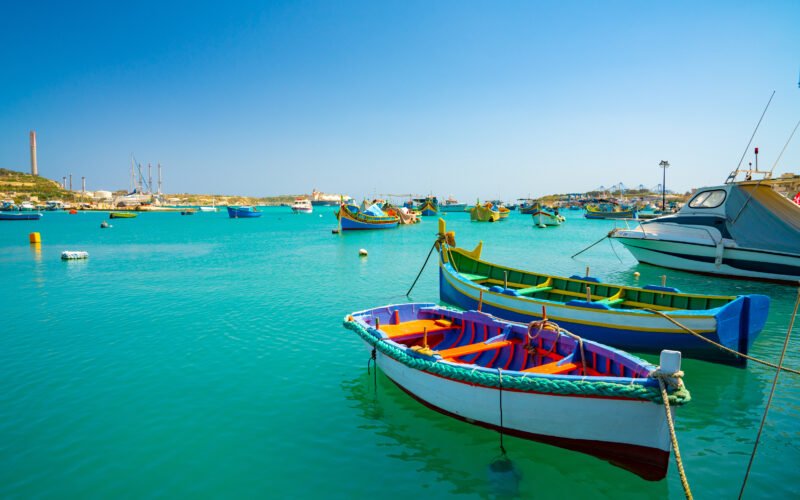
Uge 3 af vores seks ugers De bedste steder at bo på Malta for expats serien tager os med til Det sydøstlige distrikt, Et område, der sjældent gør den mest højlydte entré, men som ofte giver mest mening, når man forstår, hvordan livet på øen virkelig fungerer.
Dette er en del af Malta, der er formet af rutine snarere end af trends. Byerne her er beboede, ikke iscenesatte. Du finder havne, der fungerer, rigtige bycentre, kystpromenader, der bruges året rundt, og kvarterer, der stadig føles lokale. For mange expats, især dem, der planlægger at blive længere end et år eller to, tilbyder det sydøstlige distrikt en roligere og mere bæredygtig måde at leve på.
En af de største praktiske fordele er beliggenheden. Dette distrikt er det tætteste på Maltas internationale lufthavn, hvilket gør en mærkbar forskel, hvis du ofte rejser på grund af arbejde eller familie. Det er også hjemsted for Birżebbuġas havn, et vigtigt logistik- og industriknudepunkt, der spiller en nøglerolle i områdets økonomi og karakter. Man føler, at dette er en fungerende del af øen, ikke bare et sted, der er designet til at se godt ud på billeder.
Hurtigt overblik
- Stemning: kystnære og traditionelle, med et stærkt beboelsespræg og mindre expat-klynger end de nordlige områder og havneområderne
- Bedst til: langtidsudstationerede, familier, hyppigt rejsende og dem, der foretrækker det maltesiske hverdagsliv frem for trendy steder
- Vær på vagt: bilafhængighed i flere byer, lokal lufthavnsstøj og skarpe kontraster mellem stille hverdage og travle weekender i havneområder
- Lej virkeligheden: Langtidslejen ligger typisk mellem €1.000 og €1.600 pr. måned, afhængigt af by, ejendommens tilstand og nærhed til kysten
Øjebliksbillede af expat: Det sydøstlige distrikt har en lavere andel af udenlandske beboere end Maltas nordlige distrikter, hvilket forstærker dens mere lokale og bosatte karakter, hvor expats har en tendens til at koncentrere sig i kystbyer som Marsaskala snarere end i landsbyer inde i landet.
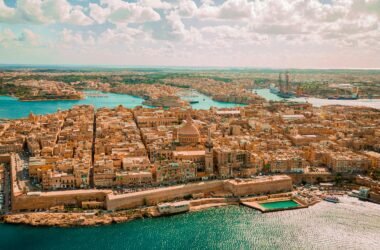
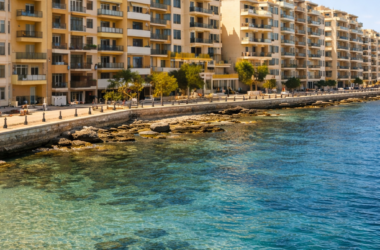
Billeder fra byen
Det sydøstlige distrikt handler ikke om én enestående by, men om at vælge det rigtige. Fra kystsamfund med en daglig rytme ved havet til roligere landsbyer inde i landet, der er bygget op omkring rutine og plads, tilbyder hvert sted en meget forskellig måde at leve på.
Marsaskala
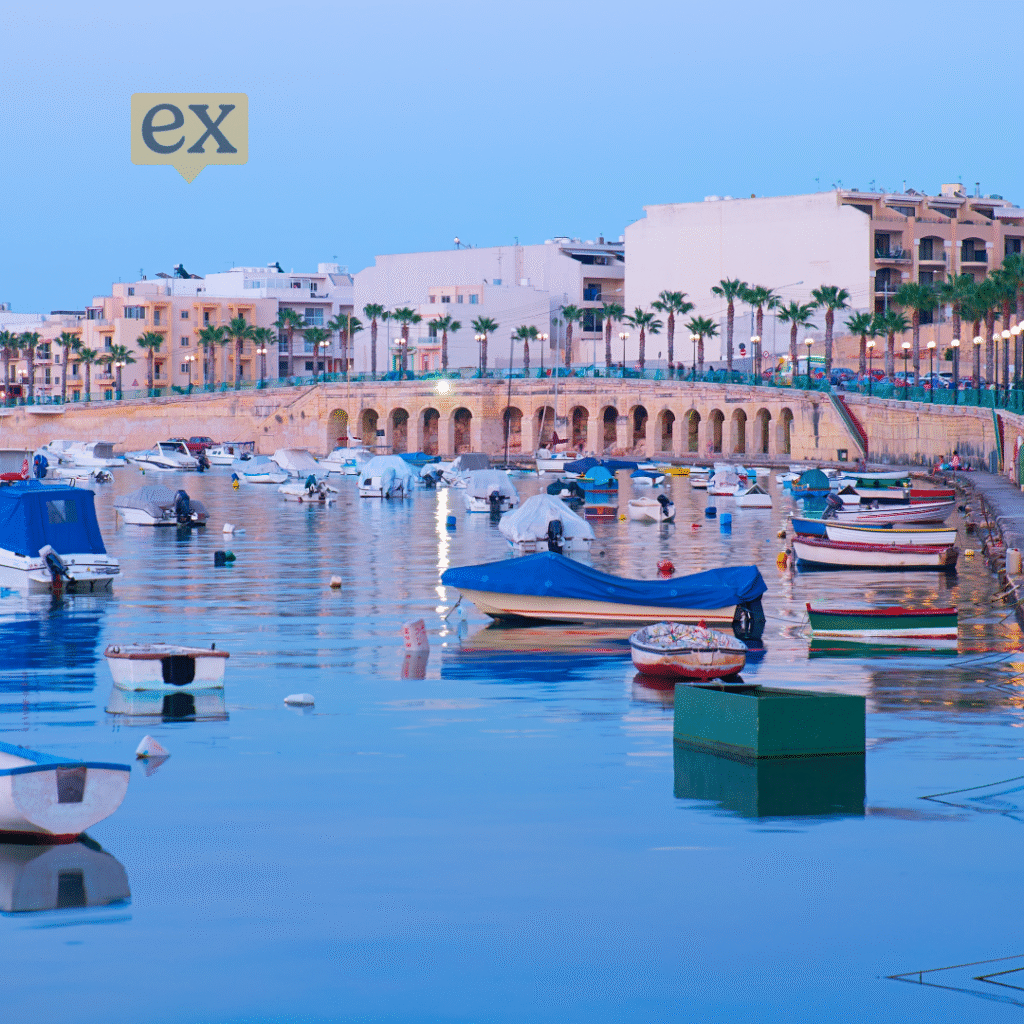
Marsaskala er en af de mest expat-venlige byer i det sydøstlige distrikt og tilbyder en levende kystlivsstil snarere end en sæsonbestemt resort-følelse. Det daglige liv er centreret omkring promenaden, caféerne og den lette adgang til badesteder.
- Hvorfor folk flytter hertil: Kystliv med hverdagens bekvemmelighed
- Følelsen af at være udstationeret: mærkbar, men ikke dominerende
- Ideel til: par, fjernarbejdere, langtidslejere, der vil have havet uden natteliv
- Ikke ideel til: dem, der har brug for nem parkering eller ikke kan lide trængsel om sommeren
- Ekstra tip: Valg af gade betyder mere end bygningens alder her
Marsaxlokk
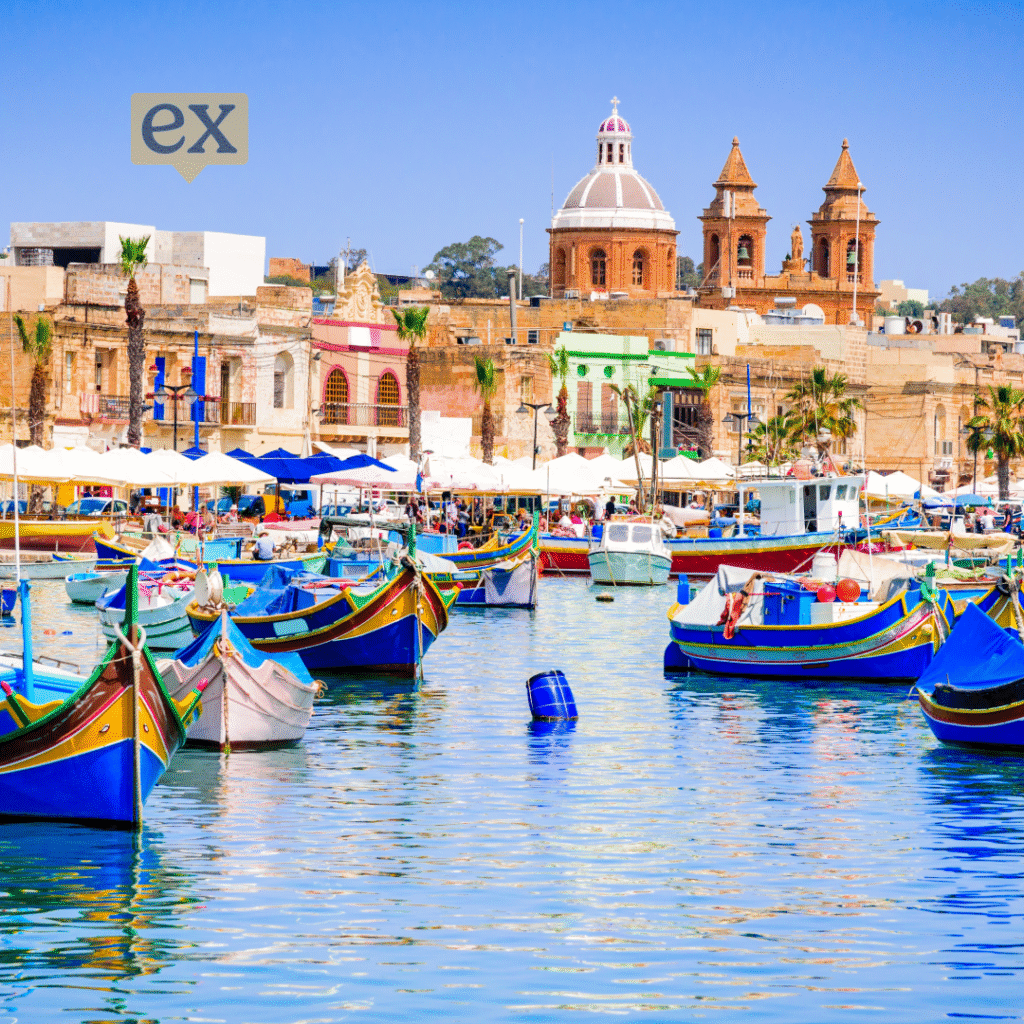
Marsaxlokk er kendt for sine meget travle søndage, hvor landsbyen forvandles til et af Maltas mest besøgte steder. Det ugentlige marked tiltrækker både lokale og besøgende, især dem, der kommer for at købe frisk fisk eller nyde en lang søndagsfrokost ved havnen. Hvis du planlægger at spise her, gælder der en enkel regel: Bestil bord i god tid, da de fleste restauranter er fuldt bookede længe før middag.
For expats, der sætter pris på karakter og ikke har noget imod at planlægge efter den ugentlige travlhed, kan Marsaxlokk være meget tiltrækkende. For dem, der forventer det samme tempo hver dag, kan det føles uforudsigeligt. Det er vigtigt at vide, hvilken side af grænsen man befinder sig på.
- Hvorfor folk flytter hertil: Karakter, havudsigt og autenticitet
- Følelsen af at være udstationeret: lav
- Ideel til: expats søger traditioner frem for bekvemmelighed
- Ikke ideel til: alle, der ønsker konsistens i løbet af ugen
Birżebbuġa
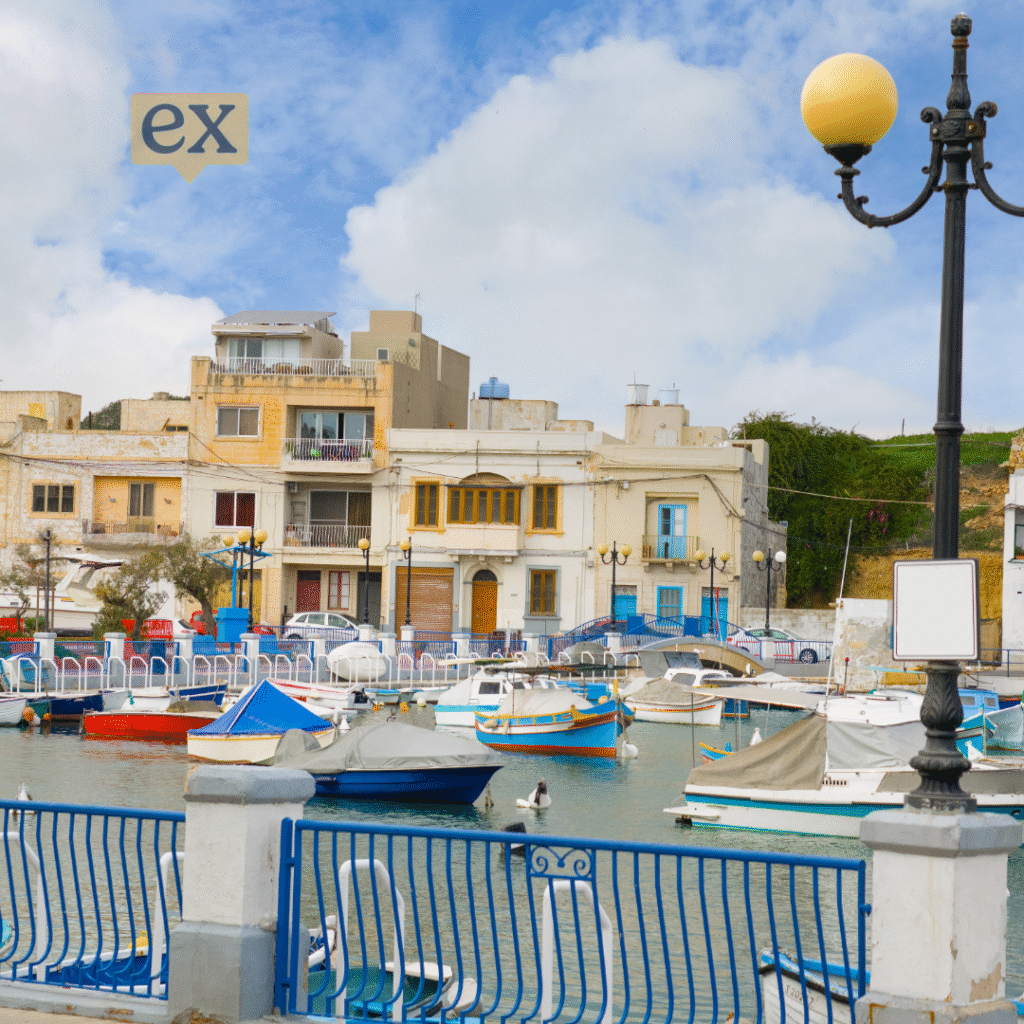
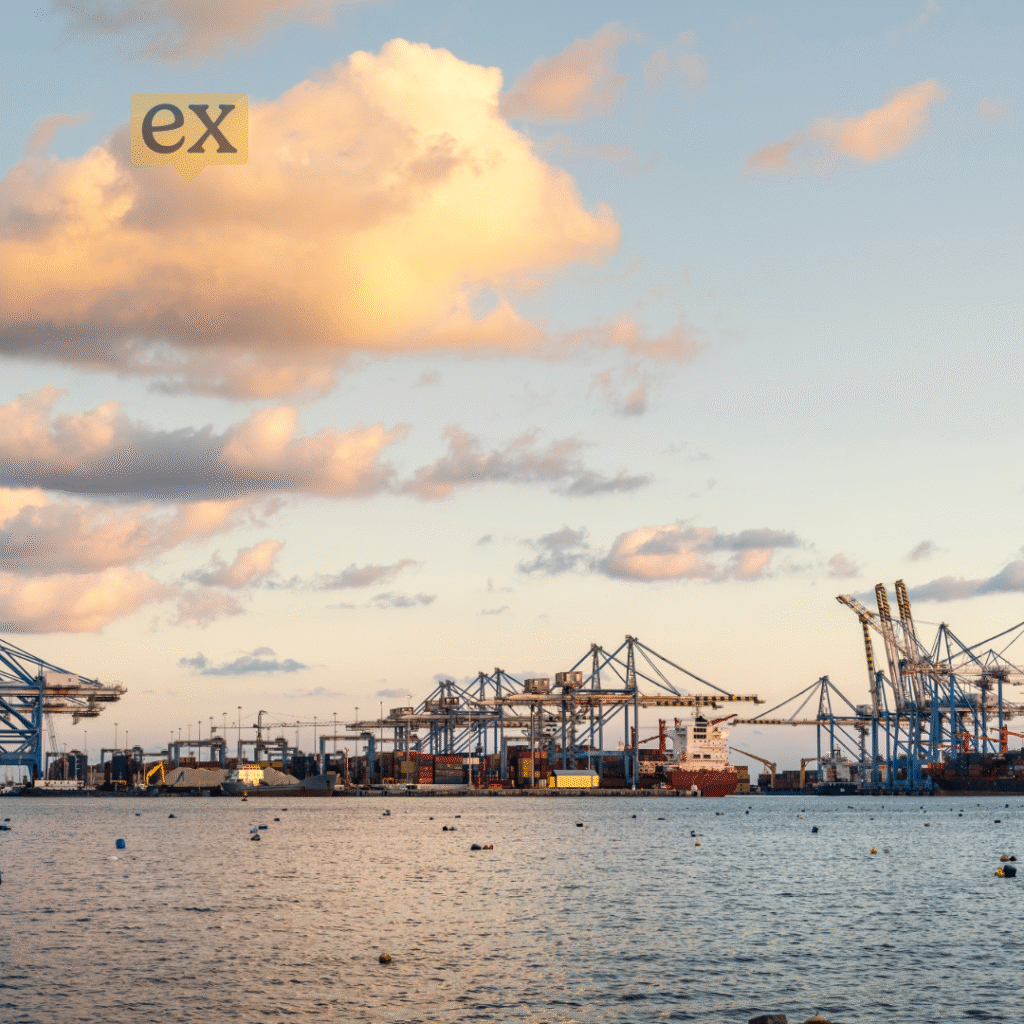
Birżebbuġa spiller en vigtig rolle i det sydøstlige distrikt på grund af sin havn og den omkringliggende infrastruktur. Det er en by, der er formet af arbejde, logistik og et langvarigt lokalt liv.
For expats betyder det, at man skal være selektiv. Nogle områder tilbyder kystliv og god værdi, mens andre føles mere påvirkede af trafik og industriel aktivitet. Birżebbuġa passer til dem, der forstår, at det er et arbejdsområde, og som vælger deres placering med omhu. Når den er valgt rigtigt, kan den tilbyde praktisk anvendelighed og værdi, som er sværere at finde andre steder.
- Hvorfor folk flytter hertil: adgang til kysten og overkommelige priser
- Følelsen af at være udstationeret: lav til moderat, afhængigt af område
- Ideel til: Budgetbevidste lejere og praktiske flyttemænd
- Budgetnote: blandt de mere tilgængelige i distriktet
- Ikke ideel til: dem, der er følsomme over for trafik eller industrielle omgivelser
- Ekstra tip: Valg af gade for gade er afgørende her
Żejtun
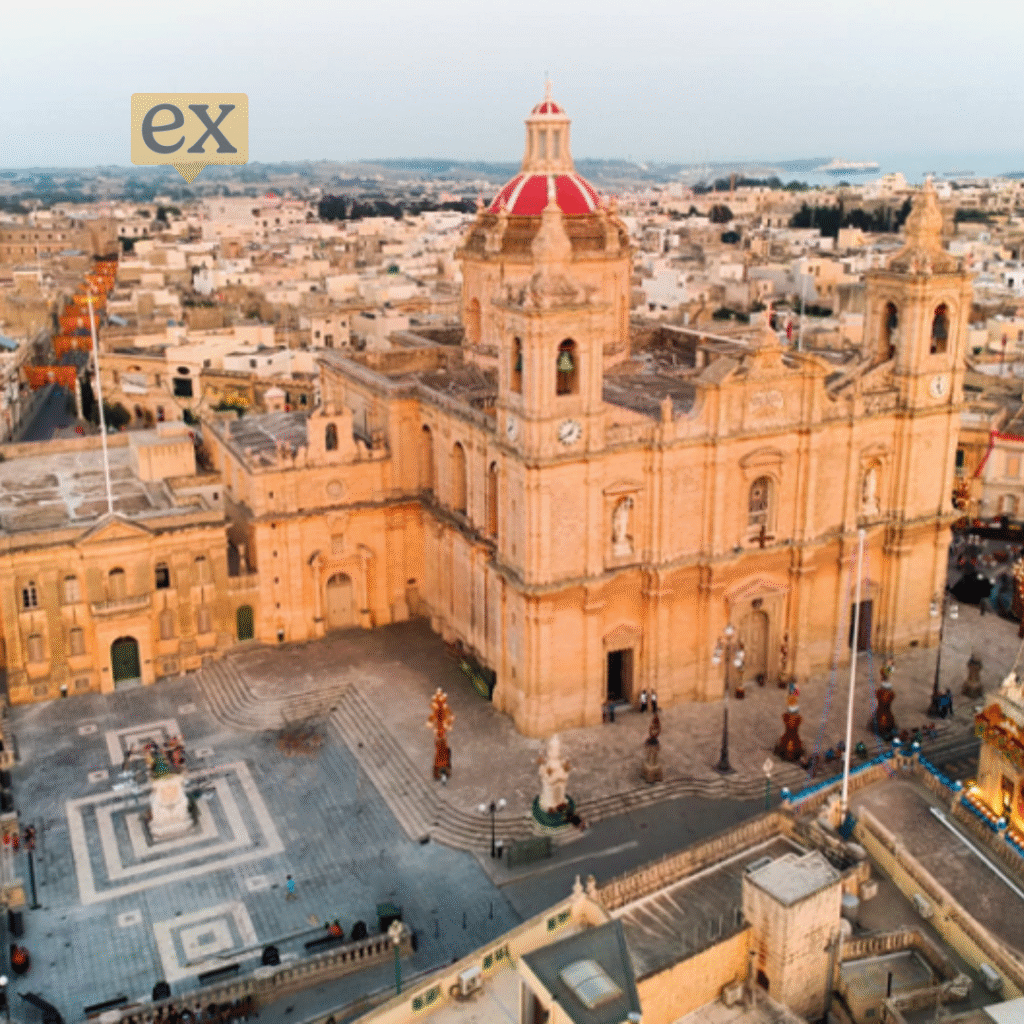
Żejtun tilbyder en jordnær livsstil i bymidten med et stærkt lokalsamfund og dagligdags service tæt på. Det føles helt igennem maltesisk og appellerer til expats, der ønsker at integrere sig i stedet for at leve i en expat-boble.
- Hvorfor folk flytter hertil: plads, rutine og en rigtig byatmosfære
- Følelsen af at være udstationeret: lav
- Ideel til: expats med familier og fastboende
- Budgetnote: generelt billigere end kystbyer
- Ikke ideel til: dem, der vil gå til havet
- Ekstra tip: god mulighed, hvis du sætter pris på stabilitet frem for natur
Żurrieq og Qrendi
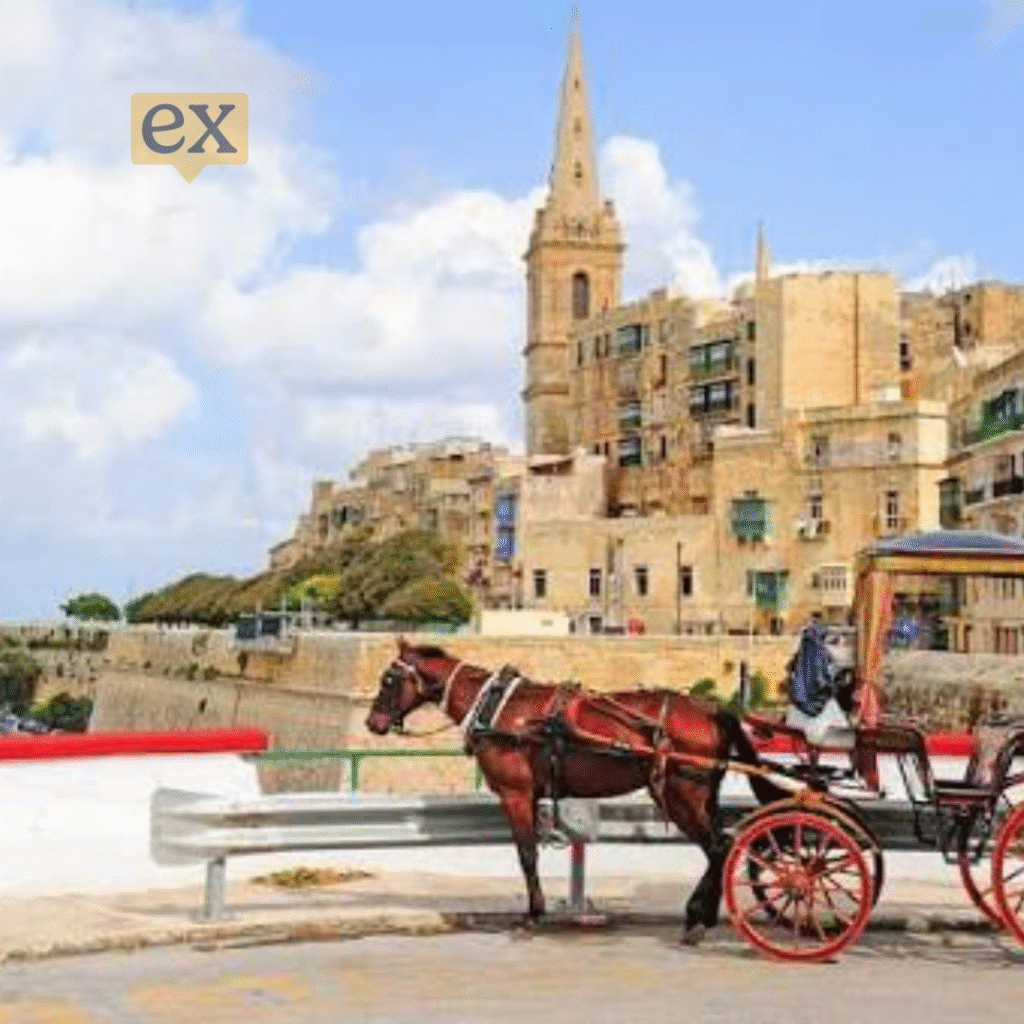
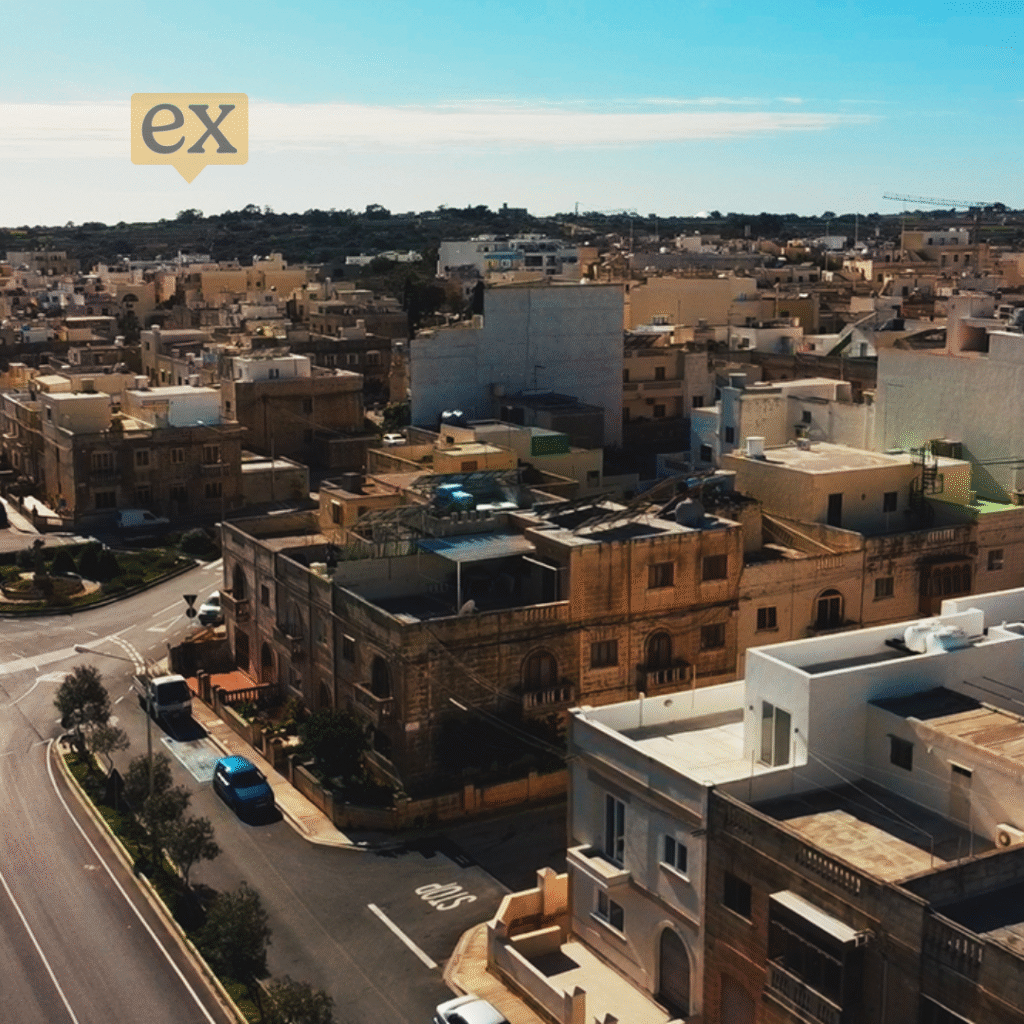
Żurrieq og Qrendi ligger lidt inde i landet og appellerer til expats, der leder efter plads, ro og en mere traditionel landsbyrytme. Livet her foregår i et langsommere tempo, præget af stille gader, landlige omgivelser og nærheden til Maltas sydkystlandskaber snarere end caféer eller natteliv.
- Hvorfor folk flytter hertil: Fred, plads og en landsbylivsstil
- Følelsen af at være udstationeret: meget lav
- Ideel til: fjernarbejdere, par og dem, der sætter pris på rolige rutiner
- Budgetnote: ofte bedre værdi end kystbyer
- Ikke ideel til: dem, der er afhængige af offentlig transport eller leder efter socialt liv
- Ekstra tip: En bil er næsten uundværlig for den daglige bekvemmelighed
Dagligliv og virkelighed
Livet i det sydøstlige distrikt er mere præget af logistik end af livsstilsbranding. Pendlertider, nærhed til lufthavnen og trafikmønstre betyder noget. Offentlig transport er tilgængelig, men varierer efter by og rute, så det er klogt at teste din daglige rutine, før du forpligter dig.
En almindelig expat-fejl er at vælge et sted baseret på indtryk fra weekenden. Her er det især hverdagslivet, der fortæller den virkelige historie.
Skoler og familielogistik
For familier fungerer det sydøstlige distrikt bedst, når skolegang og daglige rutiner planlægges sammen. Området betjenes primært af stat og Kirkelige skoler, som er veletablerede, men som kan variere i tilgængelighed afhængigt af lokalitet. De fleste internationale og uafhængige skoler ligger uden for distriktet, hvilket betyder, at skolekørsler typisk indebærer en daglig pendling.
For familier, der vælger dette område, betyder nærhed til større veje og realistiske rejsetider mere end afstand på et kort. Distriktets nærhed til lufthavnen og de sydlige hovedfærdselsårer kan være en fordel for forældre, der skal finde en balance mellem arbejde, skoleskemaer og rejser.
Hvad man kan tage med sig
Det sydøstlige distrikt handler ikke om at jagte trends eller postkortøjeblikke. Det handler om at vælge et sted, der fungerer stille og roligt i baggrunden, hvor dagligdagen føles overskuelig, og hvor rutinerne let finder sig til rette. For expats, der værdsætter det praktiske, plads og en mere lokal rytme, viser denne del af Malta sig ofte at være et smartere valg på lang sigt end mere prangende områder.
Det passer til dem, der gerne skifter nattelivet ud med rolige aftener, og som forstår, at den bedste beliggenhed ikke altid er den mest larmende. Og ja, det er en bonus at være tæt på lufthavnen, så længe din idé om komfort inkluderer en lejlighedsvis påmindelse om, at Malta er meget godt forbundet.
På Expatax Malta, Vi hjælper expats med at træffe beslutninger, der rækker ud over kortet, og afstemmer beliggenhed, bopæl, skat og livsstil, så alt passer sammen.
For det er spændende at flytte land, men det fungerer bedst, når dit setup er lige så velplanlagt som din første søndagsfrokost ved havet.
Tjek det ud: Del 4 kommer i næste uge, og vi er på vej til Central District. Følg os på vores sociale kanaler nedenfor, så du ikke går glip af noget.
Expatax Malta Team



 English
  Danish
  French
  German